
Introduction – A Religion of Truth or a Framework of Strategic Falsehood?
When a religion is called the “Path of Truth,” one naturally expects that truthfulness should be one of its core moral pillars.
But when we examine the principles, history, and practical teachings of Islam more closely, a natural question arises:
“Does Islam permit lying? If yes, under what conditions, and why?”
Promises in Scripture, Deception in Practice
1. Taqiyya (تقية) – Religious Protection or Strategic Deception?
Definition: “Taqiyya” means concealing one’s faith or speaking falsehood when one’s life is in danger, or when it benefits Islam.
Source:
Quran 3:28
لَا يَتَّخِذِ ٱلۡمُؤۡمِنُونَ ٱلۡكَٰفِرِينَ أَوۡلِيَآءَ مِن دُونِ ٱلۡمُؤۡمِنِينَ… إِلَّآ أَن تَتَّقُواْ مِنۡهُمۡ تُقَىٰةٗ
Lā yattakhidhi-l-mu’minūna-l-kāfirīna awliyā’a min dūni-l-mu’minīn… illā an tattaqū min’hum tuqātan
“In this verse, a word ‘tukātan’ appears, from which the term Taqiyya is derived.”
“Believers should not take disbelievers as friends instead of believers… except when you practice Taqiyya to protect yourselves from them.”
Tafsir al-Jalalayn:
“If Muslims are under the authority of non-Muslims, they may outwardly display friendship, but inwardly they must remain hostile.”
Shia Hadith – Al-Kafi, Vol. 2:
“Taqiyya is my religion and the religion of my forefathers.”
Critique:
If a religion needs a strategy of falsehood for its survival, then it is not merely a religion but also a political project. Taqiyya today has become one of the chief tools of political Islam.
2. Kitman (كتمان) – Half-Truth = Complete Falsehood
Definition: “Revealing only a part of the truth in such a way that the meaning of reality itself gets distorted.”

Example:
Muslims often quote Quran 5:32:
“Whoever kills a person, it is as though he has killed all mankind.”
But they deliberately hide two major facts:
- This verse was not revealed for Muslims at all – it was addressed to the children of Israel, i.e., the Jews.
- The very next verse (5:33) openly commands:
إِنَّمَا جَزَٰٓؤُاْ ٱلَّذِينَ يُحَارِبُونَ ٱللَّهَ وَرَسُولَهُۥ… أَن يُقَتَّلُوٓاْ أَوۡ يُصَلَّبُوٓاْ أَوۡ تُقَطَّعَ أَيۡدِيهِمۡ وَأَرۡجُلُهُم مِّنۡ خِلَٰفٍ
Innamā jazā’u-lladhīna yuḥāribūna-llāha wa rasūlahu… an yuqattalū aw yuṣallabū aw tuqaṭṭa‘a aydīhim wa arjuluhum min khilāf
“Those who fight against Allah and His Messenger – their punishment is execution, crucifixion, or the cutting off of hands and feet from opposite sides.”
Now think – who can fight Allah? The answer is simple: anyone who opposed Muhammad or his commands was declared as “fighting Allah” – and thus his killing was legitimized.
Result: This is not merely about hiding half a verse; it is about concealing the actual context and target. That is the real Kitman.
Critique:
Presenting partial verses to portray Islam as peaceful is a textbook case of Kitman. Hiding the truth is also a form of lying – this cannot be called religious purity.
3. Tawriya (تورية) – Winning Through Ambiguity
Definition: “Using words with double meanings so that the listener interprets one meaning, while the speaker intends another.”
Hadith References:
- Sahih Bukhari 3029, Sahih Muslim 1739
الحرب خدعة
Al-ḥarbu khud‘ah
“War is deception.”

Tafsir Ibn Kathir:
“A Muslim may lie or use ambiguous words to deceive a non-Muslim during war or conflict.”
Critique:
When Muhammad himself said “Al-harbu khud‘ah” (War is deception), it shows that the very foundation of Islamic strategy is based on deceit.
This raises a crucial question: Does Islam consider the world to be in a perpetual state of war?
The answer seems to be Yes.
According to Islamic division, the world is split into two spheres:
- Dar al-Islam – the land under Islamic rule, and
- Dar al-Harb – the land of war, where Islamic law and sovereignty do not prevail.
Thus, until Islam gains dominance, such deception remains permissible.
4. Taysir (تيسير) – Shariah According to Convenience
Definition: When Islamic rules appear too harsh or impractical, they may be temporarily relaxed so that Islam looks simple, tolerant, and accommodating to non-Muslims.
Quran 2:185:
“Allah intends ease for you and does not intend hardship for you.”
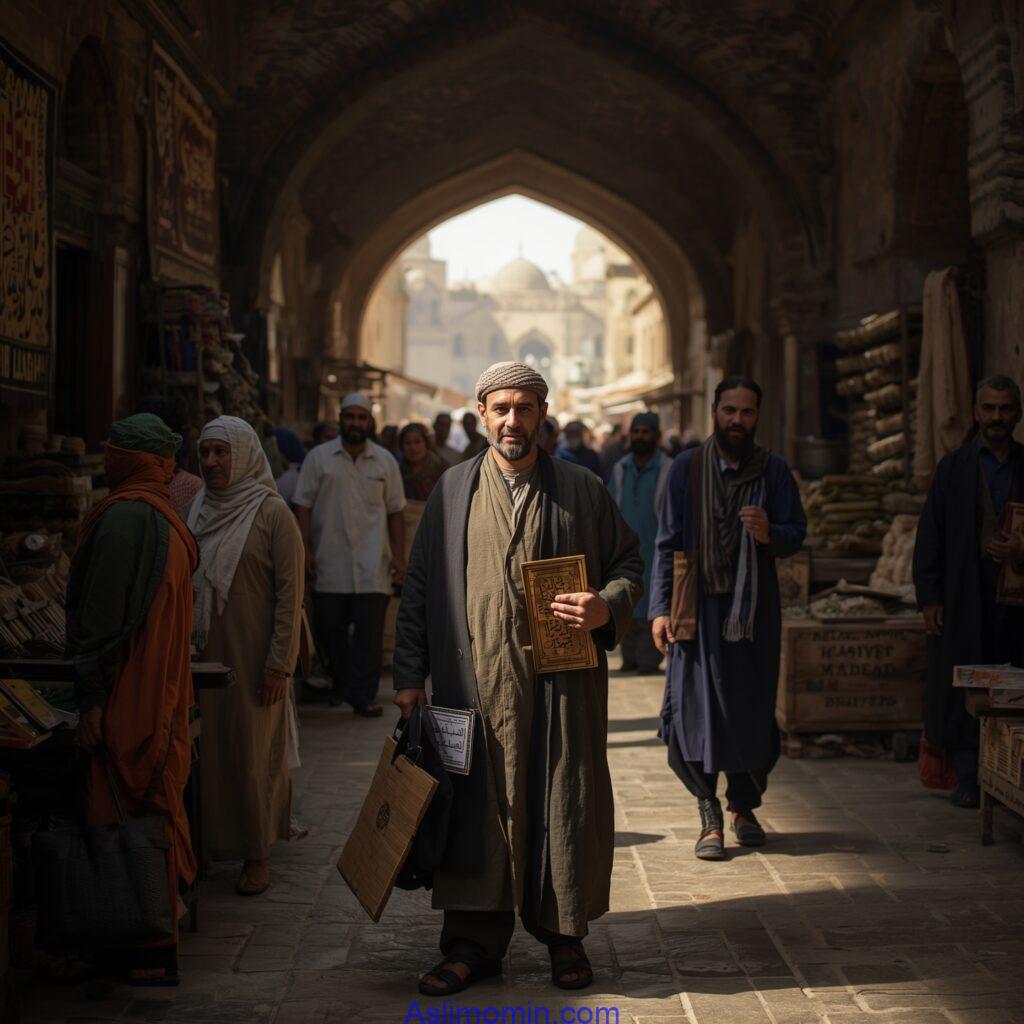
Fiqh Principle: Al-Mashaqqah Tajlibu al-Taysir — “Hardship brings ease.”
Critique:
This principle is often used to portray Islam as “flexible.” But the real objective is to lure non-Muslims by showing a soft face, until Islamic authority becomes strong enough to impose the full Shariah.
5. Darura (الضرورة) – Necessity Makes the Forbidden Permissible
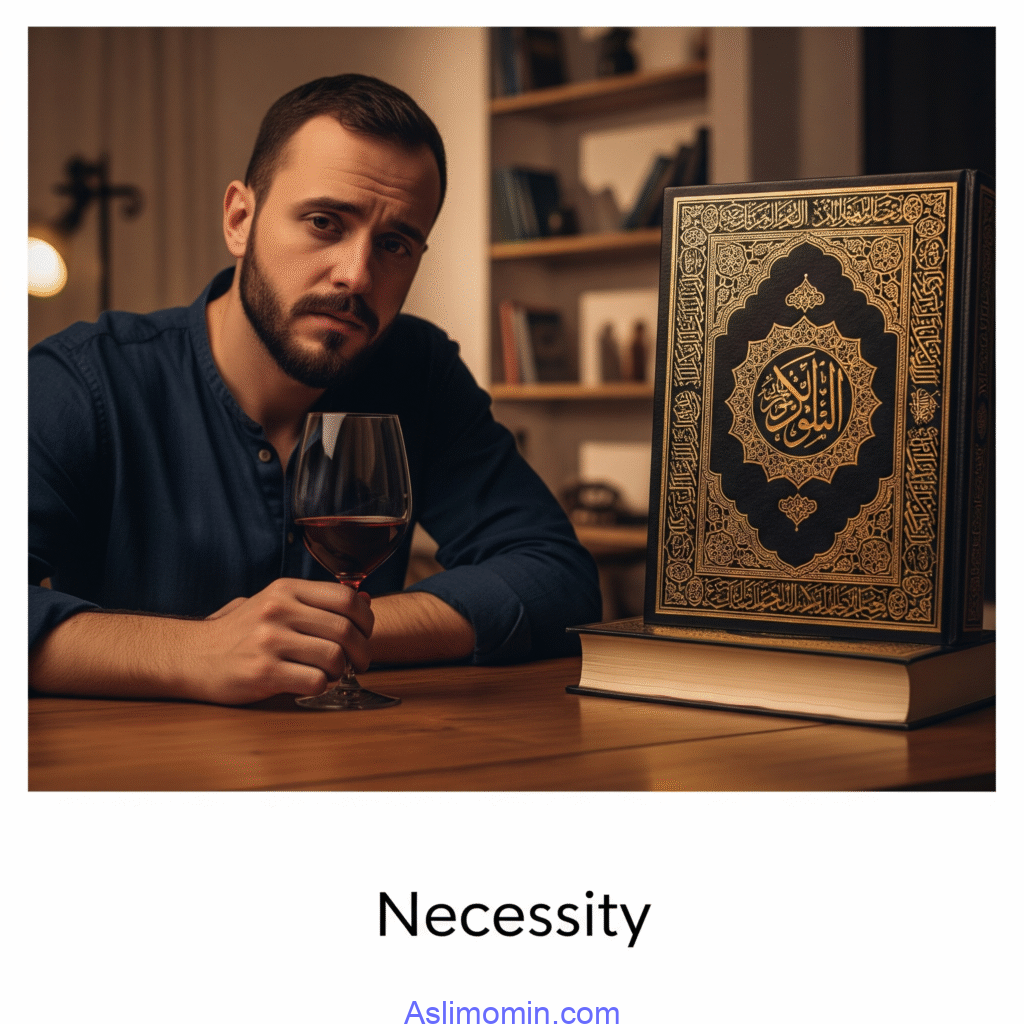
Definition: If a Muslim is in “danger,” then even the forbidden (ḥarām) becomes permissible.
Quran 16:106:
“Whoever disbelieves after believing… except for the one who is compelled while his heart remains firm in faith…”

Fiqh Principle: Al-Ḍarūrāt Tubīḥ al-Maḥẓūrāt — “Necessity renders the forbidden permissible.”
Critique:
This effectively means a Muslim may lie, drink alcohol, eat pork, or even cheat and then excuse it by saying: “In my heart, I remained a believer.”
6. Muruna (مرونة) – “Flexibility,” i.e., Opportunistic Deception
Definition: Temporarily suspending certain Islamic rules so that Muslims appear “moderate” in non-Islamic societies.
This doctrine was propagated by radical thinkers like Yusuf al-Qaradawi (Muslim Brotherhood).
Qaradawi’s Priorities of the Islamic Movement:
“Use Muruna to infiltrate society… go to clubs… as long as your intention is to serve Islam.”
Critique:
This is a strategy of living a double life. It is not religious flexibility but calculated deception — “Act soft until you become strong.” (Muruna)
Lying in Hadith – Deception in War and Treaty
Sahih Bukhari 3030, Sahih Muslim 1739:
“In war, lying and deception are permissible.”
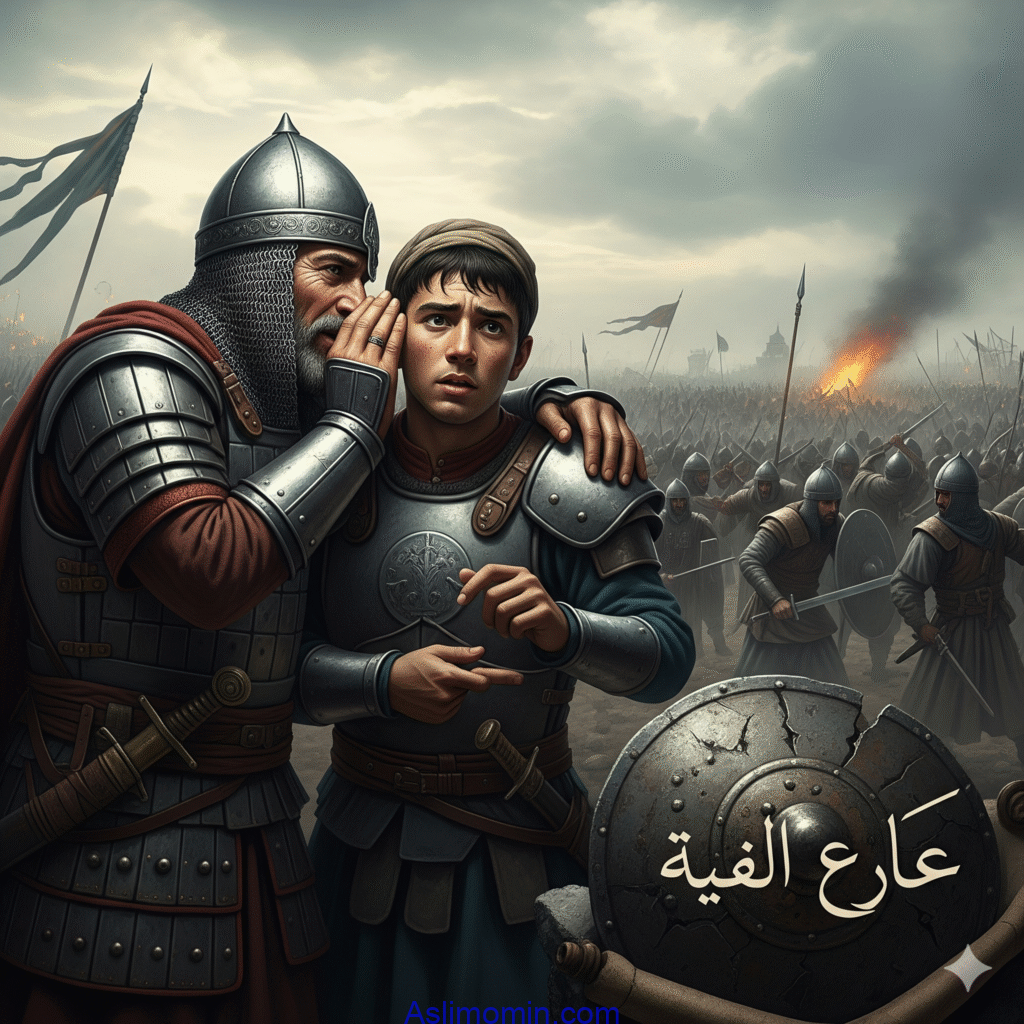
Sahih Muslim 1731 C:
“When making a treaty, do not grant protection in the name of Allah or His Messenger. Instead, give it in your own name or in the name of your companions.”
Muslim commanders were instructed that if the enemy asked for amān (protection), they should not grant it in the name of Allah or the Prophet ﷺ, but rather in their own name or in the name of their companions.
Technically, this weakens the security guarantee, because breaking a promise made in the name of Allah and His Messenger would politically undermine the credibility of Islam itself. But if the promise was made in a human name, its violation could be dismissed as a personal act, not a religious betrayal.
This way, whenever necessary, the Islamic authority could break treaties without much hesitation or moral burden.
Sahih Bukhari 3030In Islamic jurisprudence, deceit and trickery in war are permitted. In practice, this means: making treaties and breaking them is legitimate; luring the enemy for talks and then capturing or killing them is legitimate; attacking a sleeping enemy is legitimate; killing by deception is legitimate.
This was a deliberate legal loophole:
- A promise in Allah’s or Muhammad’s name, if broken, would undermine Islam’s credibility.
- But if the same promise was given in a human name, breaking it could be dismissed as a mere “personal act.”

Thus, Islamic rulers could break treaties without hesitation when it suited their political interests.
Practical Examples:
- Treaty of Hudaybiyyah – signed, then broken.
- Banu Mustaliq raid – Sahih Bukhari (2541), Bulugh al-Maram, Jihad, Hadith 10 – a surprise attack at dawn while people were asleep.
- Khaybar raid – Sahih Bukhari (371) – another surprise dawn attack.
- Later history – Tipu Sultan’s treaty-breaking, and Aurangzeb’s betrayal of Sikh Gurus are clear historical parallels.
Jami‘ al-Tirmidhi 1939, Sahih Muslim 2605A:
“Three types of lies are permissible – to one’s wife, to friends to reconcile between two people, and in war.”
Sahih Bukhari 2541
Ethical Dilemmas Raised
- Lying to one’s wife: Scholars claim it is to “preserve the relationship.” But what if the husband has taken another wife secretly, or hides prior marriages? This too would be legitimized, since there is no limit defined on what counts as permissible lying. Is this morally acceptable?
- Lying for reconciliation: Scholars justify it as a noble act. But suppose one friend has stolen from another, or even murdered a family member. Can hiding such truths for the sake of “reconciliation” be considered ethical?
In reality, the Hadith does not define any boundaries. Thus, the door is wide open for deception at every level of life.
Conclusion:
When lying is justified with spouses, with friends, and in war — who remains beyond its scope? This Hadith essentially makes lying universally acceptable in Islam.
Allah as the “Deceiver”
Quran 3:54 –
وَمَكَرُوا۟ وَمَكَرَ ٱللَّهُۖ وَٱللَّهُ خَيْرُ ٱلْمَـٰكِرِينَ
Wa makarū wa makarallāh, wallāhu khayru-l-mākirīn
“They plotted, and Allah also plotted, and Allah is the best of deceivers.”
The root word “makr” means plot, trick, or deceit.
Quran 8:30 –
وَإِذْ يَمْكُرُ بِكَ ٱلَّذِينَ كَفَرُوا۟… وَيَمْكُرُونَ وَيَمْكُرُ ٱللَّهُۖ وَٱللَّهُ خَيْرُ ٱلْمَـٰكِرِينَ
Wa idh yamkuru bika-lladhīna kafarū… wa yamkurūna wa yamkuru-llāh, wallāhu khayru-l-mākirīn
“When the disbelievers were plotting against you… they plot, and Allah also plots, and Allah is the best of deceivers.”
Quran 86:15–16 –
إِنَّهُمْ يَكِيدُونَ كَيْدًا، وَأَكِيدُ كَيْدًا
Innahum yakīdūna kaydā, wa akīdu kaydā
“They devise a plan of deception, and I too devise a plan of deception.”
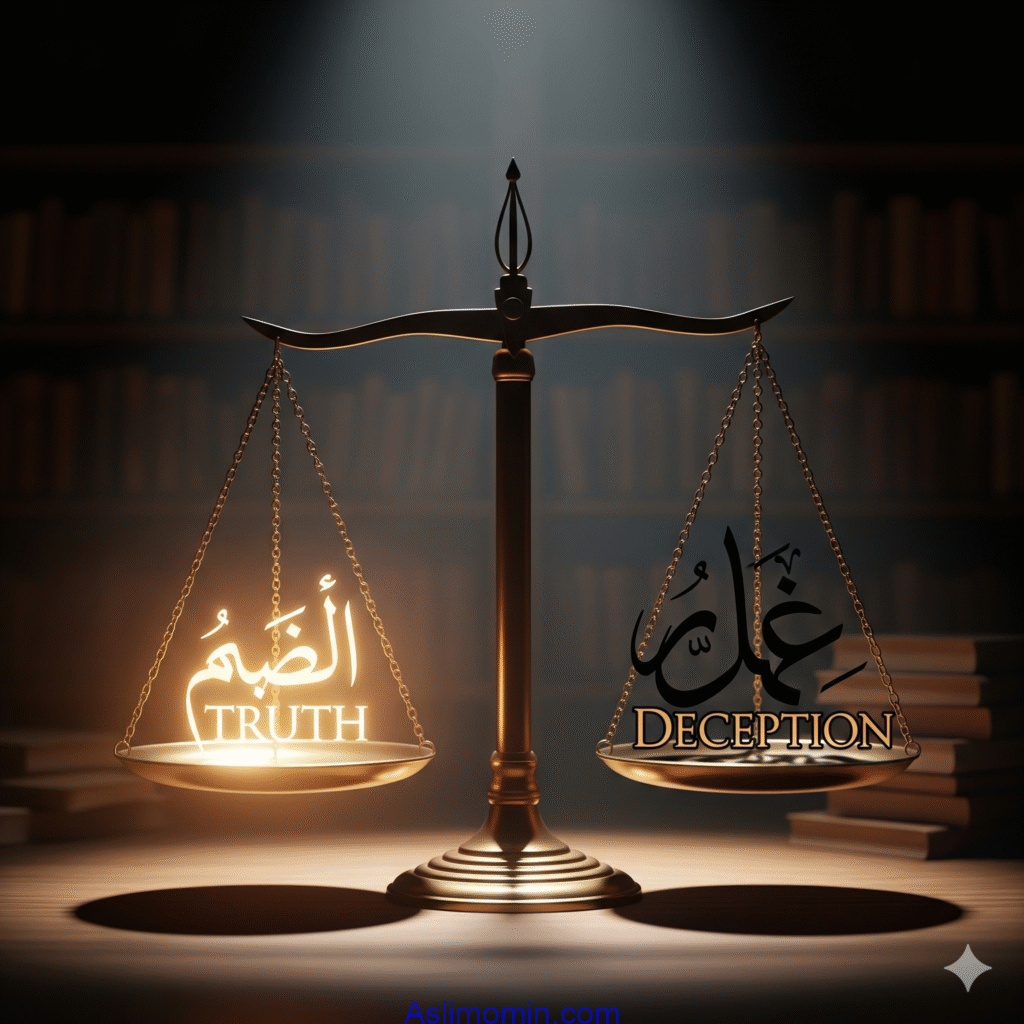
Tafsir References
1. Tafsir Ibn Kathir (on Surah 3:54):
“They (the disbelievers) plotted (makaroo), and Allah also plotted (makara Allah), and Allah is the best of plotters.”
(Meaning – The disbelievers devised a plot, and Allah also devised a plot, and Allah is the best of those who plot.)
2. Tafsir al-Qurtubi (on Surah 8:30):
“Al-makr means deception (khid‘a), and Allah’s makr is to requite them for their plots, overturning them against themselves.”
(Meaning – Makr denotes deception; and Allah’s makr is to turn their schemes back against them.)
Critical Analysis
From these classical tafsir references, it is evident that the term “مكر (makr)” has been consistently understood as plot, scheme, conspiracy, or deception.
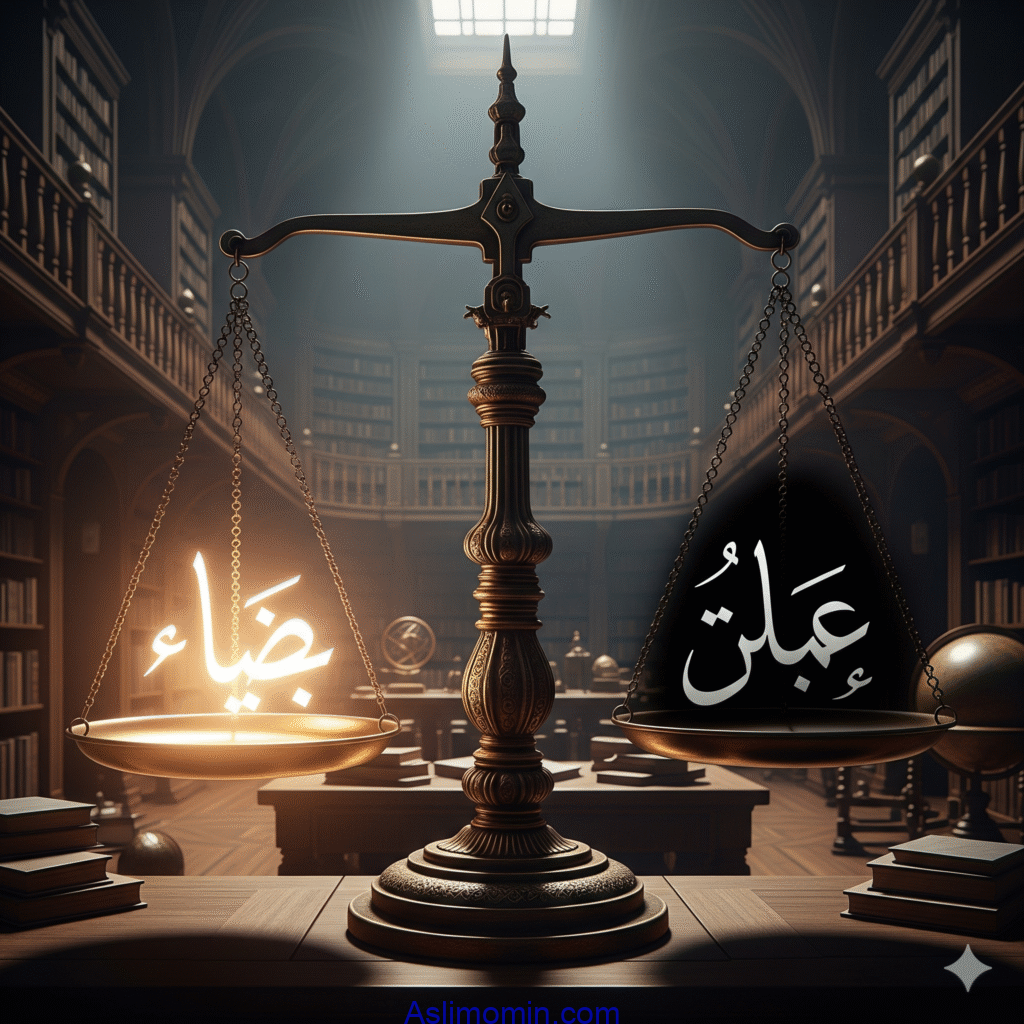
- Qur’anic Usage: In Surah 3:54 and 8:30, the word is explicitly applied to Allah.
- Classical Tafsir: Authorities like Ibn Kathir, al-Tabari, and al-Qurtubi interpret it as deception or scheming.
- Translations: Most English renderings translate it as scheme, plot, deception.
However, modern Islamic scholars, when confronted with criticism, often reinterpret it as “divine plan” or “thwarting the schemes of enemies.” Their reasoning is that when attributed to God, makr cannot imply immoral deception, but rather a just counter-strategy.
The issues with this reinterpretation:
- Linguistic problem: The root meaning of makr in Arabic is undeniably deception/plot. Assigning a wholly positive connotation departs from linguistic honesty.
- Classical testimony: The early mufassirun themselves acknowledged its negative sense, though they glorified Allah’s deception as superior.
- Modern apologetics: Contemporary reinterpretations are primarily apologetic attempts—aimed at reconciling classical meanings with modern moral sensibilities.
👉 Thus, from a critical standpoint, the reinterpretation of makr as “divine plan” is less about fidelity to the text and more about safeguarding theological respectability. The actual meaning, however inconvenient, points toward deception or scheming.
Allah’s Permission to Break Oaths
Quran 5:89:
“If you break even an oath in Allah’s name, it can be expiated simply by feeding ten poor people.”
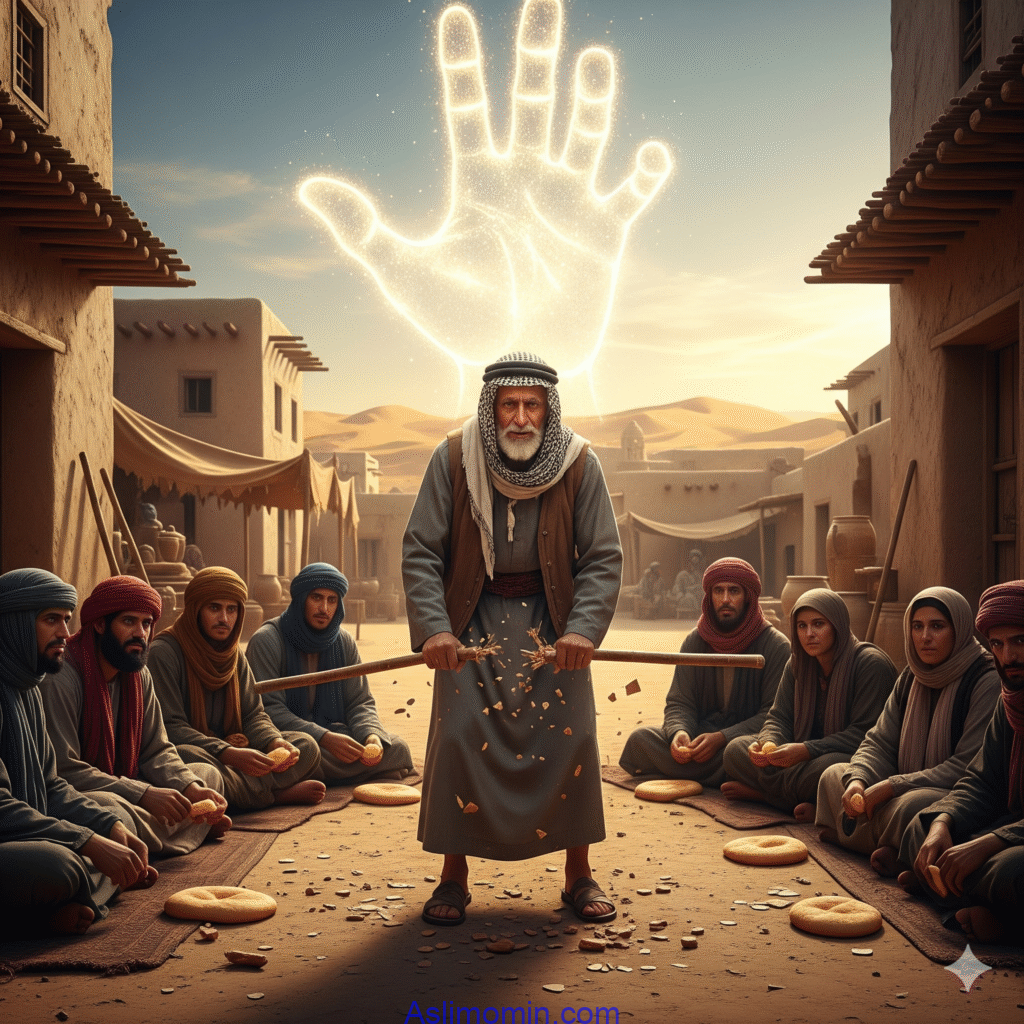
So, even the most sacred form of truth — a sworn oath in Allah’s name — can be broken cheaply, with a token act of compensation.
Can Islam Be Trusted?
After all these doctrines of Taqiyya (concealment), Kitman (half-truth), Tawriya (ambiguity), Taysir (convenience), Darura (necessity), Muruna (flexibility), and even Allah’s own Makr (deception) — can Islam genuinely be called the “religion of truth”?
Conclusion: Is Islam a Religion of Truth?
If a faith requires multiple sanctioned methods of lying, deception, and oath-breaking, then it is not moving “towards God” but rather towards political domination.
True religion does not grow through conflict and trickery, but through morality and integrity.
Yet the Quran, the fiqh principles, and the Prophet’s own strategy demonstrate that falsehood is institutionalized as a tool of Islamic expansionism.
Final Question
If Islam must rely on lies even to spread its so-called “truth” — then is that “truth” truly divine?
Or is it merely a cunning propaganda machine disguised as religion?
This article does not claim to provide final conclusions; it merely raises questions and perspectives for reflection. Readers are encouraged to think and analyze with their own judgment.
📢 Did you find this article useful?
🙏 Support our work by clicking here.