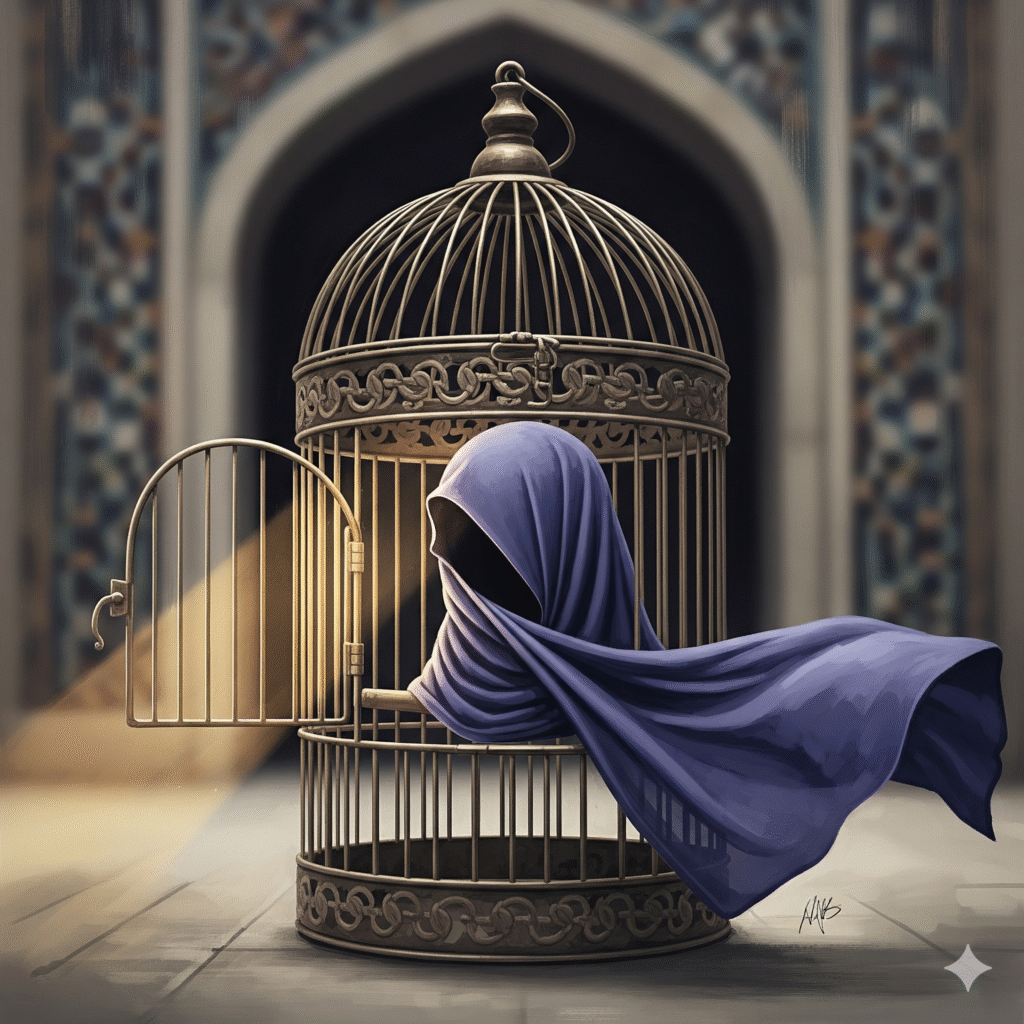
The Deception of the Hijab: Protection or Punishment?
Is hijab really a symbol of dignity or a tool of control? This article critically analyzes Quran, Hadith, history and modern protests against hijab.
Is hijab really a symbol of dignity or a tool of control? This article critically analyzes Quran, Hadith, history and modern protests against hijab.
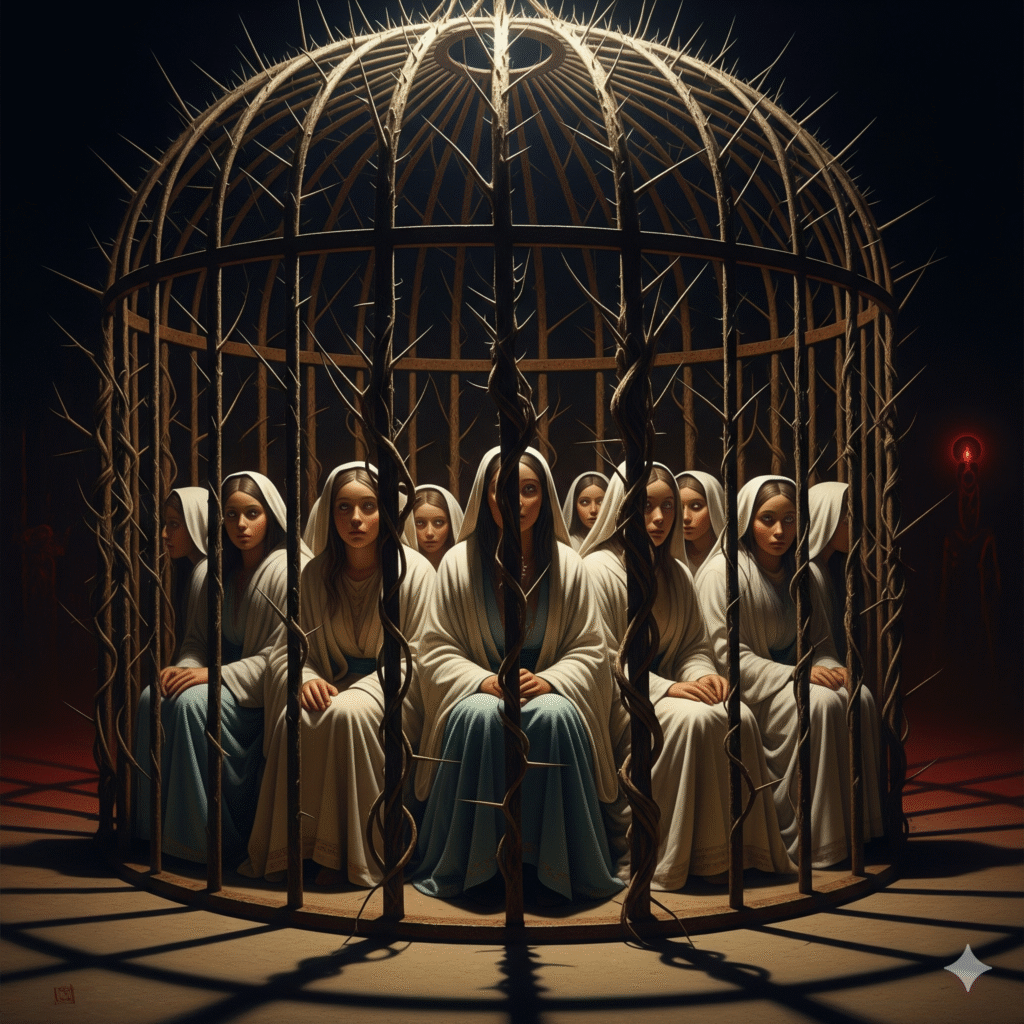
This article critically analyzes the true status of women in Islam through references from the Qur’an, Hadith, and Islamic jurisprudence. It questions women’s freedom and dignity under divorce, khula, halala, child marriage, veiling, sexual slavery, and the male-centered rewards promised in paradise.

A critical, evidence-based exploration of Islamic invasions in India, using Muslim historians’ own records — from Chachnama and Tabari to Barani, Baburnama, and Fatawa-i-Alamgiri. Uncover the hidden truths of slavery, harems, forced conversions, and the mental legacy still shaping India today.
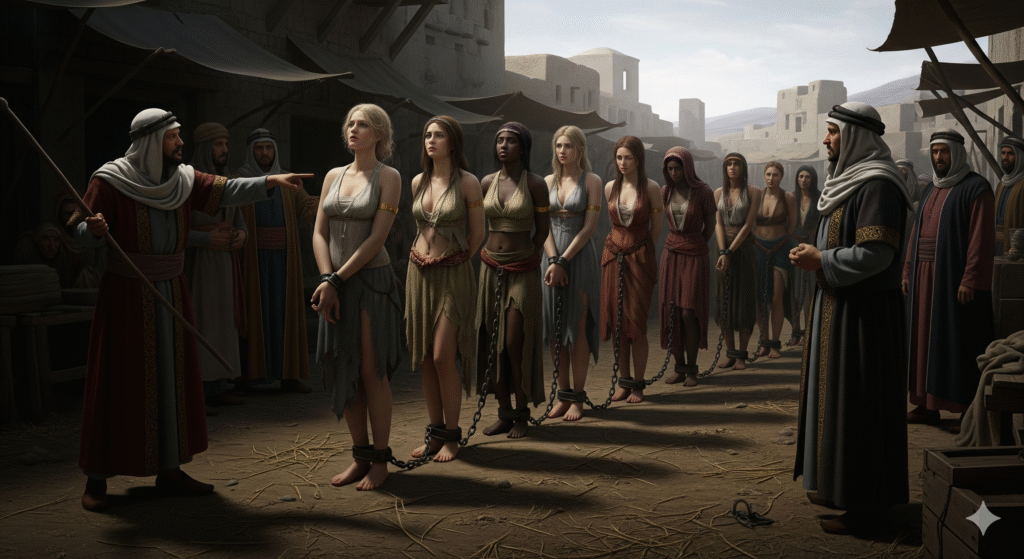
This article, based on references from the Qur’an, Hadith, and Islamic history, exposes how slavery and the enslavement of women were justified in Islam. The trade of concubines, harem culture, sexual exploitation of women, and false promises of “freedom” consistently crushed women’s dignity.

An analytical study of the Quran and Hadith exploring whether the language used is truly divine or a reflection of human anger, highlighting harsh commands, insults, and controversial descriptions.

A critical, evidence-based analysis of the Islamic event of Mubahila (Qur’an 3:61) with the Christians of Najran. This article explores how Mubahila reflected theological insecurity, shaped Muslim responses of curses and takfir, and why reasoned debate and dialogue must replace fear-driven traditions.

This article explores the Islamic doctrine of “Kitman” — the art of hiding or withholding part of the truth as a religiously sanctioned strategy. Supported by Quran, Hadith, and Tafsir references, it critically analyzes how Kitman has historically functioned as a tool of deception, politics, and expansion in Islam.

A critical, evidence-based exploration of Taqiyya and religious deception in Islam — analyzing Quranic verses, hadith, historical examples, and Indian ethical responses. Scholarly, polemical, and heavily referenced.

Critical analysis of Islam’s doctrines of deception—taqiyya, kitman, tawriya, maruna, and Qur’anic makr with classical tafsir references.
A critical, source-referenced analysis of how Islam — as defined by the Quran and Sahih Hadith — contains political-strategic doctrines: Dar al-Islam vs Dar al-Harb, jihad, taqiyya, hudna, jizya and the caliphate. Academic citations and historical context showing when religion becomes a geopolitical program.