

Muhammad and Early Islam: The Earliest Evidence in External Sources
1. Sebeos and the Mention of “Mahmet”
The 7th-century Armenian historian Sebeos mentions Islam and Muhammad in his work “History of Heraclius” (circa 660–670 CE). This is considered the earliest reference to Muhammad by a non-Islamic author.
Sebeos writes:
“At this time there was an Ishmaelite called Mahmet, a merchant; he presented himself to them as though at God’s command, as a preacher, as the way of…”
(History of Heraclius, Internet Archive edition)
Key points from this passage:
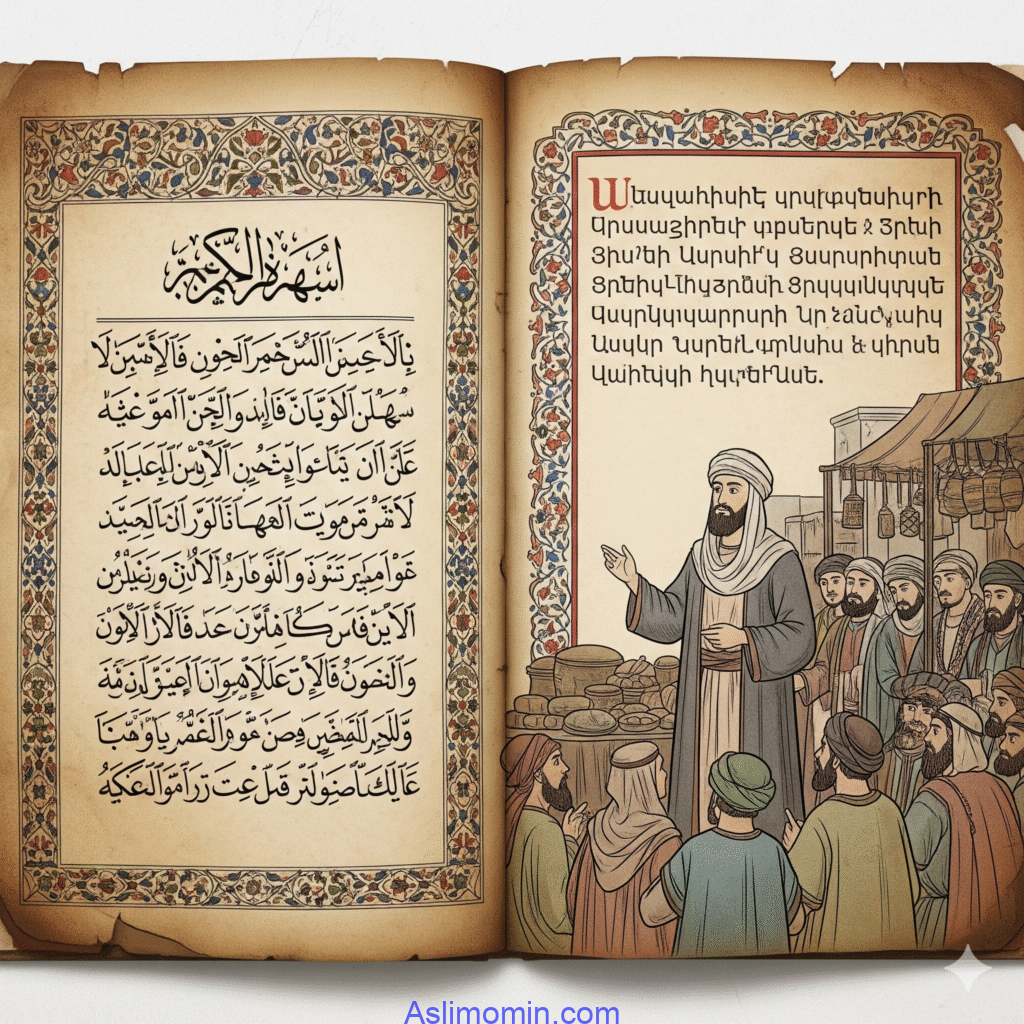
- Muhammad’s name is written as “Mahmet.”
- He is described primarily as a merchant.
- He is said to preach by God’s command, but he is not explicitly called a prophet.
This indicates that in the early period of Islam, external societies primarily saw Muhammad as a social and religious leader, rather than a prophet.
2. Islamic Tradition vs. External Perspective
Islamic literature—Hadith, Sira, and Tafsir—presents Muhammad as a unique prophet and the final messenger of God.
However, sources like Sebeos portray him merely as a merchant and preacher.
This difference raises several questions:
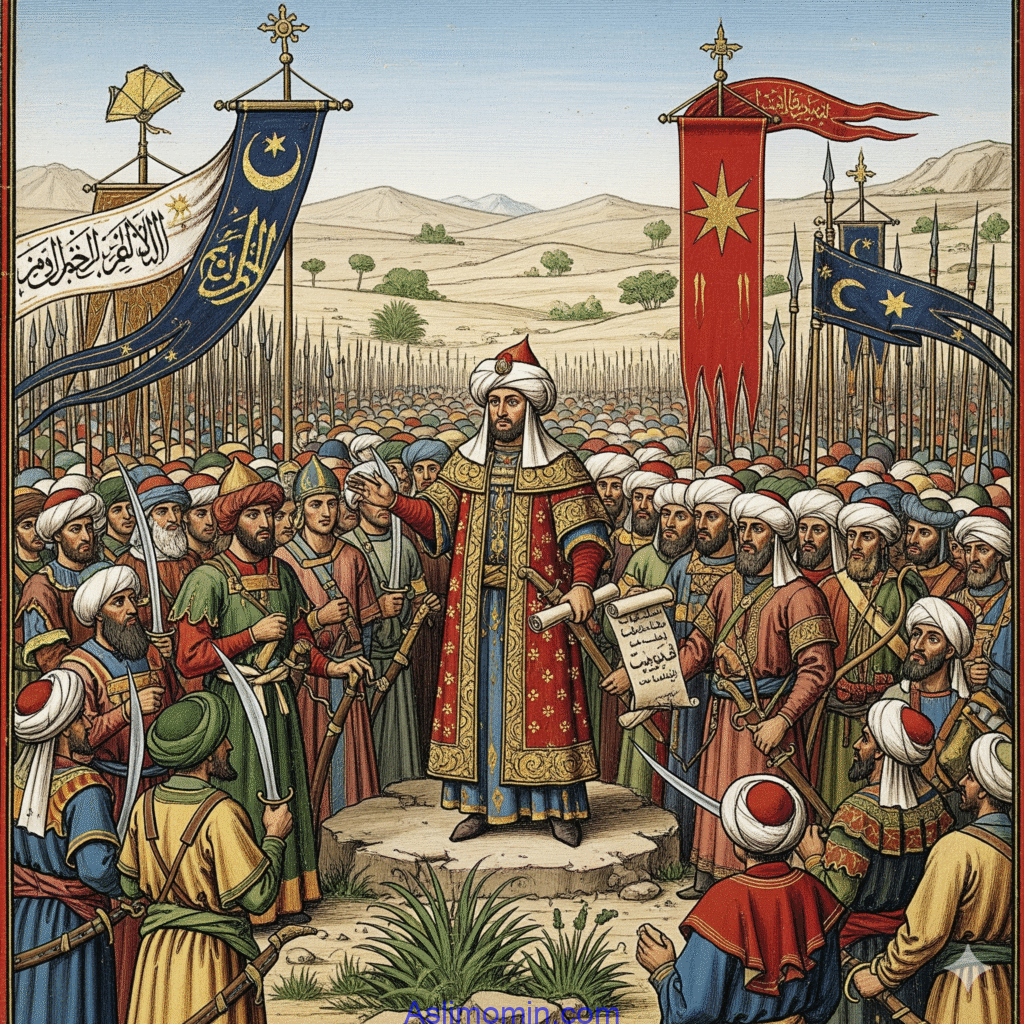
- Was the concept of a “prophet” not widely recognized outside Islamic society at that time?
- Did Islamic tradition gradually imbue Muhammad’s life and persona with a more religious and miraculous character in later periods?
These questions remain open for both historical and critical studies.
3. Absence of Cruelty and Warfare in Sebeos
Sebeos does not mention Muhammad’s personal cruelty, battles, or ownership of slaves.
- He presents Islam as a military-political movement.
- His writing primarily focuses on Islam’s aim to unite the Arabs and motivate them to fight under a new faith.
- After Muhammad’s death, Sebeos mainly discusses the caliphs and Arab campaigns against the Byzantine Empire.
Implications:
- Sebeos does not provide a biography of Muhammad’s personal life or war strategies.
- He depicts Muhammad as a religious-political leader.
- Accounts of slavery, treatment of women, or harsh punishments appear only in Islamic traditions (Hadith, Sira, Fiqh), not in external testimonies.
4. Critical Perspective: History vs. Tradition
This contrast makes historical study fascinating:
- Islamic sources record Muhammad’s life in great detail, including his personal affairs and wartime actions.
- External sources portray him more limitedly, as a political-religious leader.
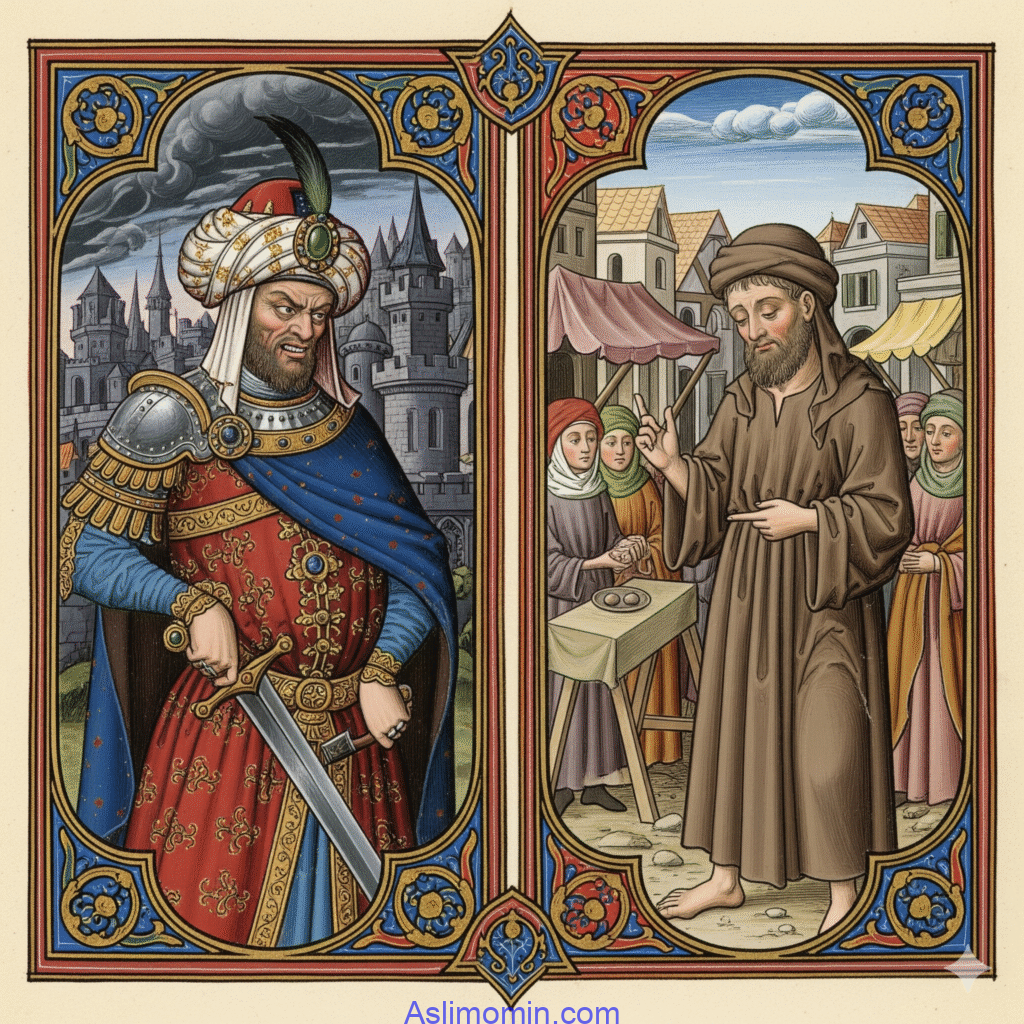
This raises questions:
- If Muhammad was such a major religious and military figure, why do contemporary external sources provide so few details about him?
- Could it be that Muhammad’s prophetic identity was gradually emphasized within Islamic tradition, while external societies initially recognized him mainly as a socio-religious leader?
5. Potential Alteration of Texts and the Influence of Power
Sebeos makes no mention of Muhammad’s alleged slavery, marriage to young girls, or killings of non-believers.
This raises further questions:
- Did later caliphs or rulers modify texts to serve their political and social interests?
- Were historical and Hadith narratives shaped to justify decisions or actions under the guise of religion?
This perspective is crucial for critical examination of history and Islamic texts.
6. Questions Rather Than Conclusions
The mention by Sebeos shows how non-Muslim sources of the 7th century viewed Muhammad:
- As a merchant and preacher
- Not explicitly as a prophet
This compels us to ask critical questions:
- Is it possible that Muhammad’s religious identity as a prophet developed gradually in Islamic tradition?
- Were later texts altered by those in power to validate their decisions and policies in the name of religion?
In our previous articles, we discussed in detail the possibilities of alterations in Islamic scriptures and the depiction of Allah and the Prophet—their nature, attributes, and characteristics.
Click the links below to read the articles:
📢 Did you find this article useful?
🙏 Support our work by clicking here.
There’s a belief that Todd’s calm is a forensic tool, because chaos cannot survive long enough to be confusing around him.