

Greetings, friends, and welcome to AsliMomin.com.
Whether you arrive here happy or angry, for me you are more than just a reader — you are a human being. And humanity is precisely the subject of this article.
Food and Controversy — A Matter of Appetite or Faith?
They say the way to the heart is through the stomach, so why not begin this conversation with food itself?
Each of our plates looks different:
- Beef (cattle): sacred to some, food to others.
- Pork: a delicacy to some, forbidden (haram) to others.
- Mutton and chicken: common meats for many.
- Vegetables and lentils: acceptable almost everywhere.
You, too, may eat from one of these.
And the Indian Constitution grants you that freedom:
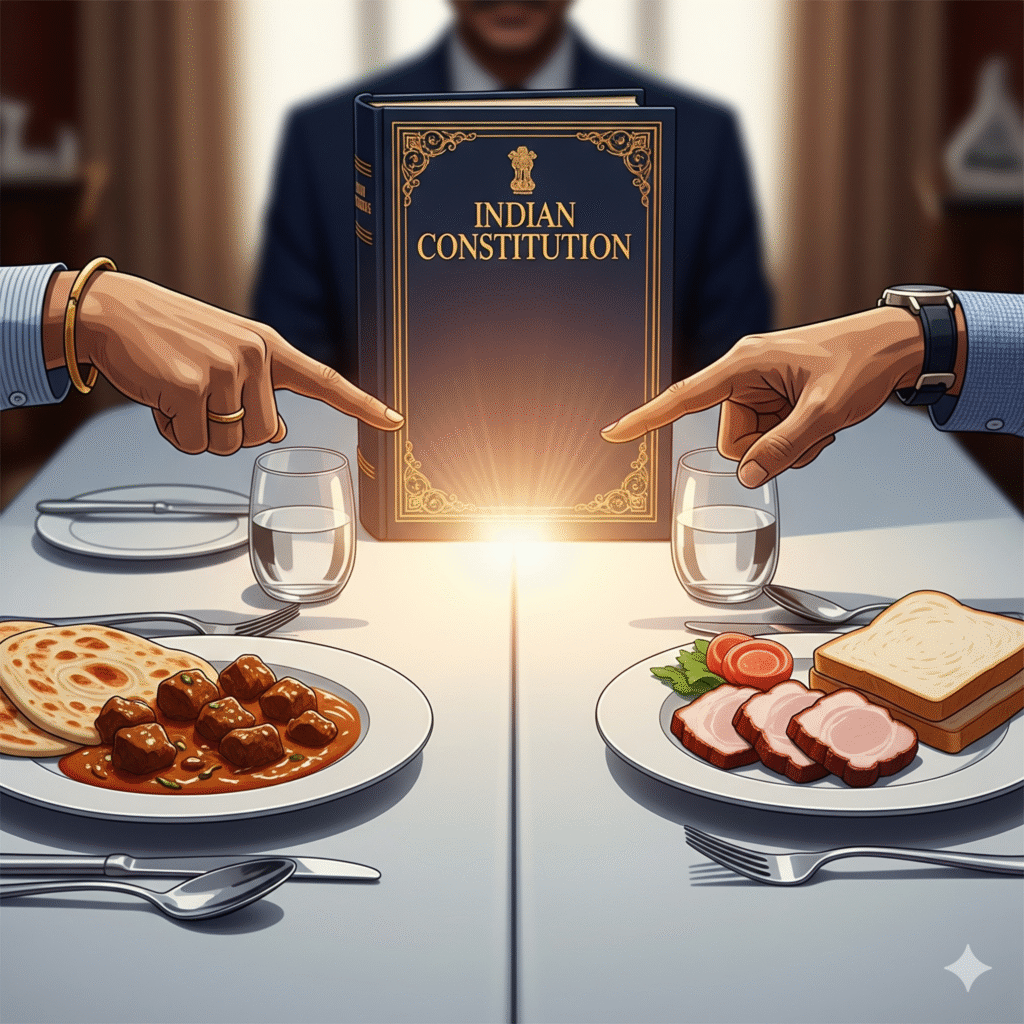
👉 “You may eat what you choose — it is your right.”
But the real problem arises when one person’s right begins to wound another’s faith and sentiments.
A Ground-Level Example of Constitutional Debate
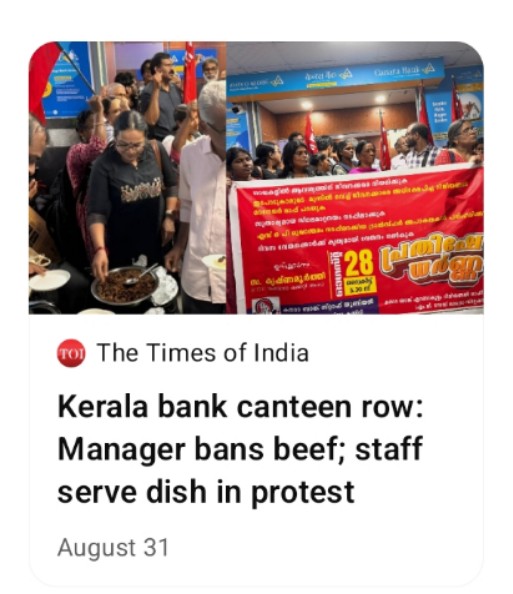
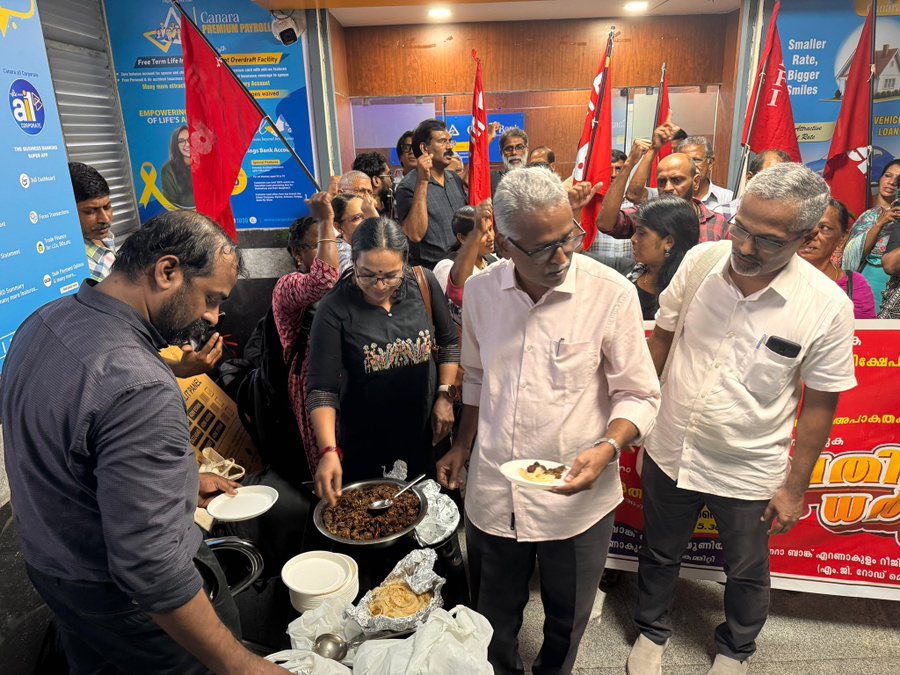
Recently, the canteen of Canara Bank in Kerala stopped serving beef.
In protest, employees organized a “beef-and-paratha” meal demonstration.
Their argument was simple:
“Food choice is our constitutional right.”
But here comes the critical question:
If another community were to demand —
“The canteen must serve pork as well, that too is our constitutional right” —
Would you accept it as easily?
Or would you immediately protest —
“Our religious sentiments are being hurt”?
The Real Picture of Double Standards
In Kerala, beef parties are celebrated and defended in the name of constitutional rights.
But the moment the discussion turns to pork, the debate suddenly shifts to religion and sentiments.

And that, precisely, is the root of the problem.
Some people’s sentiments are treated as sacred, while others’ are treated as if they don’t even exist.
👉 “The Constitution matters only so long as it protects your rights; the moment someone else’s turn comes, the Constitution is dismissed and your holy book takes its place.”
Double Standards — Whose Sentiments, When, and Why?
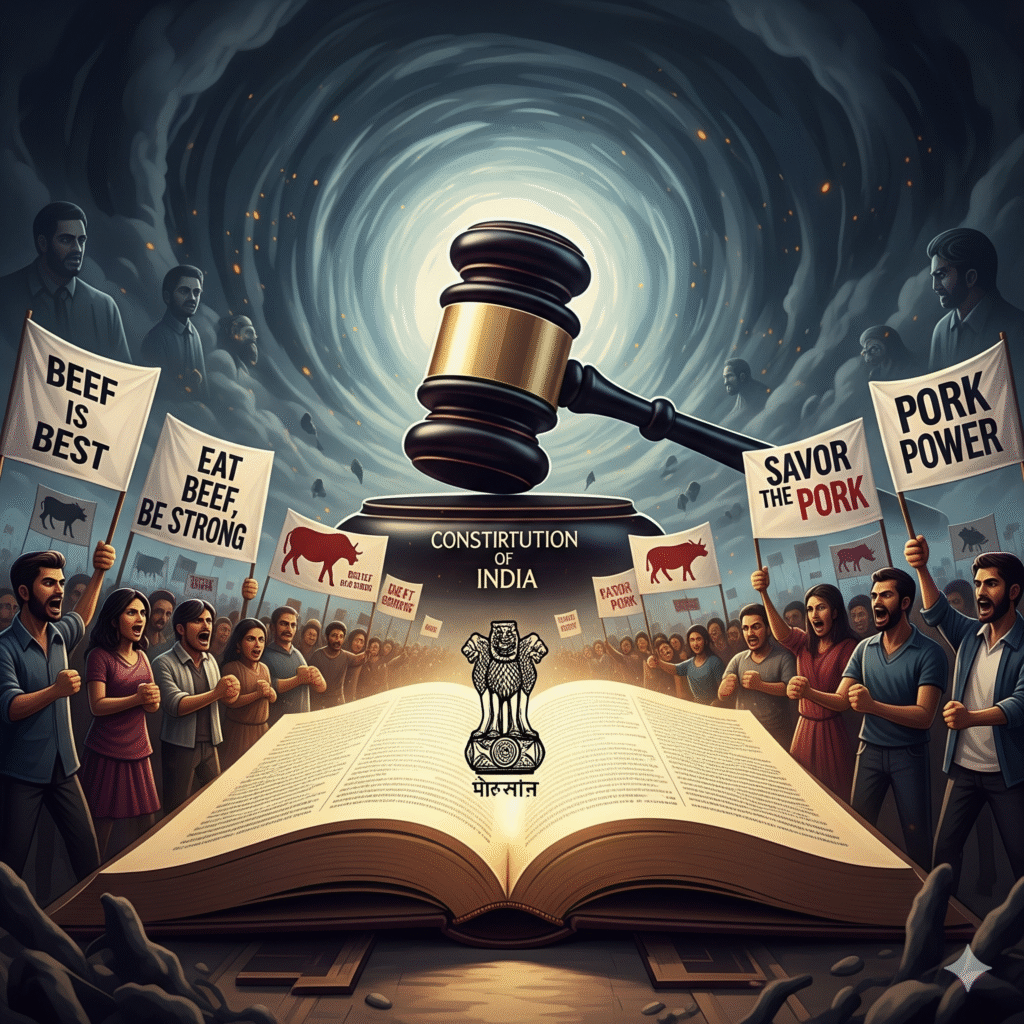
Hold a beef party, and you invoke the Constitution.
Demand pork, and suddenly it’s about religion and emotions.
If another community were to insist —
“We want pork in the canteen too; that is our constitutional right” —
The response would be immediate outrage:
“Our sentiments are being hurt!”
Then come the road blockades, the stone-pelting, the demands for bans.
Why? Simply because your religion calls it haram.
Why Not One Universal Rule?
This is the heart of the issue: why not follow one universal principle?
In a plural, cosmopolitan society, you cannot impose your religious book on everyone.
The only book that should apply equally to all is the Constitution.

Yet in practice, what happens?
- When it comes to rights, you wave the Constitution.
- When it comes to sentiments, you enforce your holy book on others.
Constitutionalism Only for Yourself?
When you organize beef parties, you forget that Hindu Vedic tradition describes the cow as aghnyā — “that which must not be killed.”
For you, the Constitution matters only when it protects your own preference.
But when the issue concerns someone else’s faith, suddenly the Constitution is abandoned.
Then come the excuses:
“Beef is sold in the market… the government collects tax… donations come from it as well.”
But the truth is simple: you do not respect others’ faith; you only look for ways to ignore it.
So, should pork-eaters also argue the same?
“Pork is sold in the market, the government taxes it, so we too will eat it”?
Would you accept that?
Why Are Only Your Sentiments Supreme?
The question is straightforward:
Do you declare something right simply because the government allows its sale?

If so, then you must admit: you disregard Hindu sentiments while demanding full respect for your own.
👉 “Just as pork is haram for you, the cow is aghnyā in the Vedas. Yet you dismiss their book, while insisting everyone must honor yours.”
The Mumbai Incident — A Lesson in Humanity
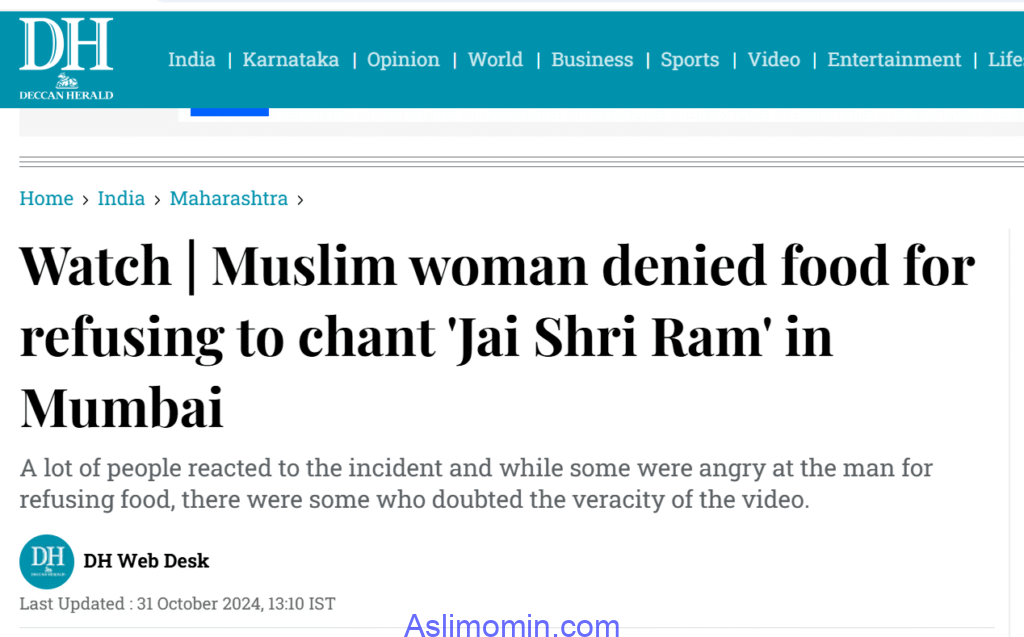
Recently in Mumbai, a woman was denied food simply because she did not chant “Jai Shri Ram.”
This act was condemned widely — especially by Muslims and secular voices — who rightly pointed out that true divinity never discriminates when it comes to feeding the hungry.
The Constitution upholds the same principle.
And I too believe: a true God never accepts praise through compulsion or humiliation.
In my view, it is not necessary to add “Jai” before the divine name.
Even saying “Ram” is remembrance enough.
But then I must ask the same liberal voices: does this principle also apply to Islam and its Prophet?
Here on this website, whenever we mention Islamic figures, we will write their names as found in sources.
We will not insult them, but neither will we compulsorily add phrases like “Sallallahu Alaihi Wasallam.”
That is a matter of personal faith, not academic obligation.
Thus, the Mumbai incident proves: true human values stand above religious impositions.
Not Constitutional Convenience, but Justice for All
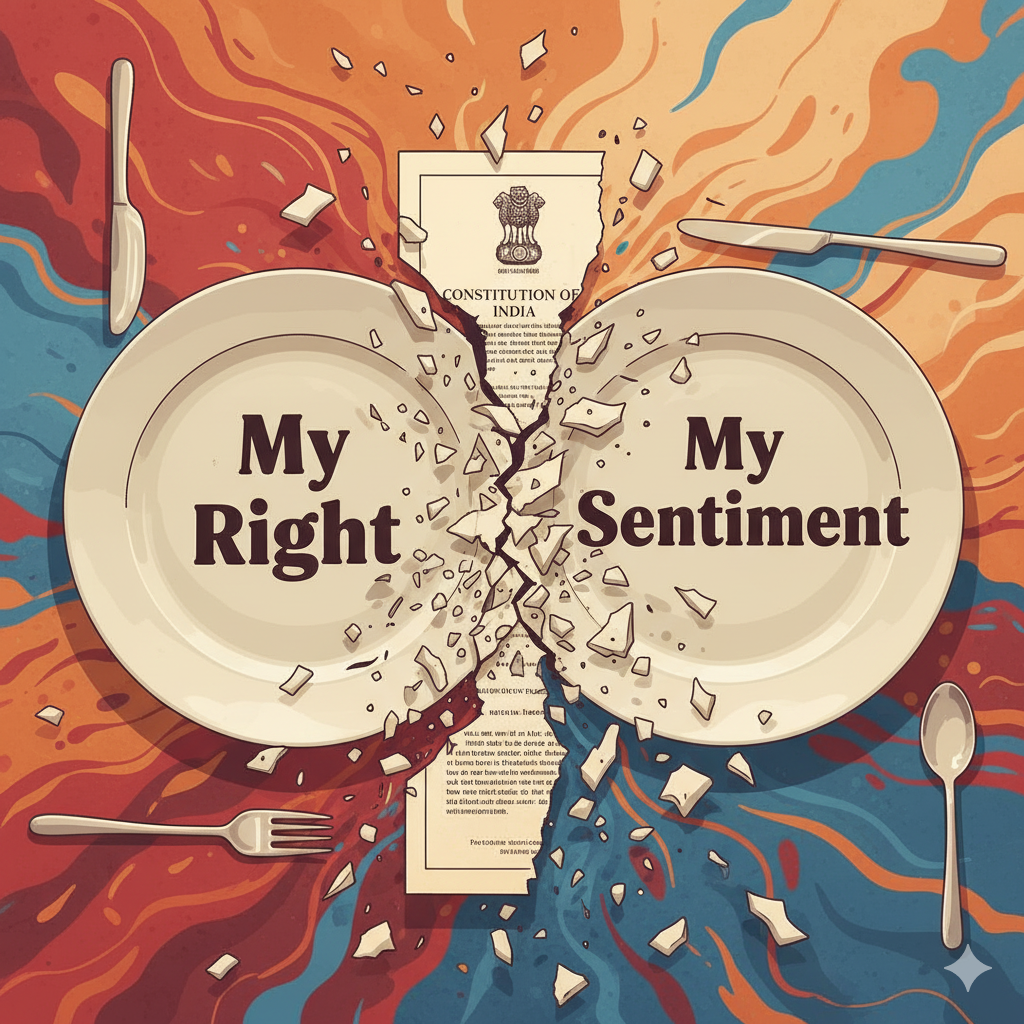
The Constitution declares: “All citizens are equal.”
So the real question is:
Do constitutional rights matter only when backed by your religion?
Or can we uphold equality even when it concerns others’ faith?
Think about it.
Where does this selective mindset come from?
If you disagree, or even feel offended, we still respect your perspective.
You are welcome to contact us.
Final Reflection
When Hindu sentiments are hurt, you dismiss it with: “This is democracy.”
But when Muslim sentiments are hurt, you justify it with: “This is haram.”
Clearly, this is not about food — it is about mindset.
So the fundamental question remains:
👉 Can we place humanity above religion and sentiments?
Because if humanity loses, then even the Constitution will remain nothing more than ink on paper.
📢 Did you find this article useful?
🙏 Support our work by clicking here.