

Oppose and You’re Corruption, Speak and You’re Rebellion
1. Introduction
Sharia is not limited to prayers, fasting, or spiritual life. It is a full legal system — in which crimes and their punishments are based on the Qur’an, Hadith, and Fiqh. It prescribes penalties ranging from theft, rebellion, and women’s testimony to drinking alcohol. These punishments now raise questions in light of human rights standards and the modern world.
2. Fasad Fil-Arz — “Corruption on Earth”
Verse: Qur’an 5:33–34
Punishments: Death, crucifixion, amputation of hands and feet, exile.
Real Cases:
- Iran (2022) — After the death of Mahsa Amini, protesters were accused of “Fasad Fil-Arz” and sentenced to death.
- Saudi Arabia (2016) — Sheikh Nimr al-Nimr was executed on the same charge.
Question: Has opposing the government now become “corruption on earth” according to the Qur’an?
3. Baghi (بغی) — “Rebellion”
Verse: Qur’an 49:9
Punishments: Execution, confiscation of property.
Real Cases:

- Syria — Both Assad’s regime and rebels labeled each other “Baghi” and committed massacres.
- Sudan (2014) — Protesters were declared “Baghi” and sentenced to death.
Question: Is this law meant to catch genuine criminals, or is it a tool to crush political dissent?
4. Hudud — “Allah’s Prescribed Limits”
- Theft: Hand amputation (5:38)
- Zina (adultery/fornication): Married — stoning to death; Unmarried — 100 lashes (24:2)
- False accusation (Qazf): 80 lashes (24:4)
- Alcohol: 40–80 lashes (Hadith)
Real Cases:
- Nigeria (2002) — Amina Lawal sentenced to stoning for adultery (later overturned).
- Sudan (2012) — A woman sentenced to stoning for adultery (later revoked).
Question: Does justice mean cutting off hands and turning the human body into a court?
5. Women Under Sharia
- Testimony: One man = two women (2:282)
- Inheritance: Men receive double the share of women (4:11)
- Hijab: Qur’an 24:31, 33:59
- Marriage and Divorce: Men have immediate authority, women have limited rights.
Real Cases:
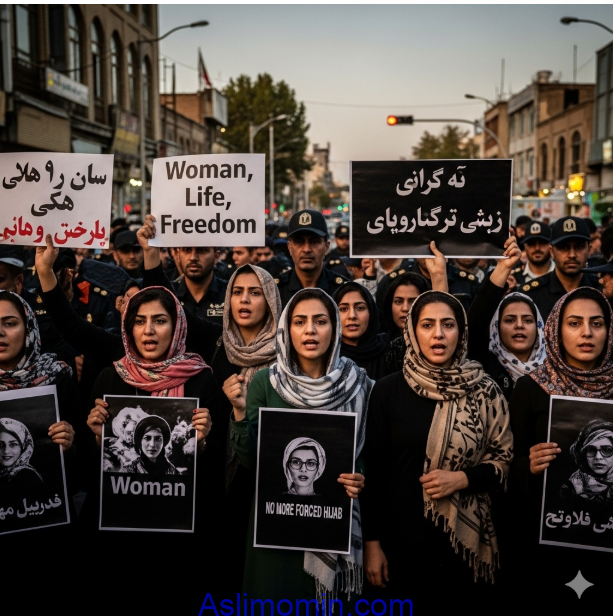
- Iran (2022–23) — Women jailed or executed for protesting against the hijab law.
- Saudi Arabia — Until 2010, women were banned from driving; even now, a male guardian’s permission is required.
Question: Is claiming equality here merely “Kitman” (concealment)?
6. Conclusion
Muslims living in India and Europe complain about inequality. But the same people, if speaking in a Sharia-based country, could face charges of Fasad Fil-Arz or Baghi.
The real question: Is Sharia a matter of faith, or a tool for controlling power?
Next Article:
“Where Sharia Does Not Apply — Muslim Societies in Europe and America, Pakistani Rape Gangs, India’s ‘Love Jihad,’ and the Reality of Communal Riots.”
📢 Did you find this article useful?
🙏 Support our work by clicking here.