(A Historical, Religious, and Logical Analysis)
1. Mecca – Silence of History, Noise of Tradition
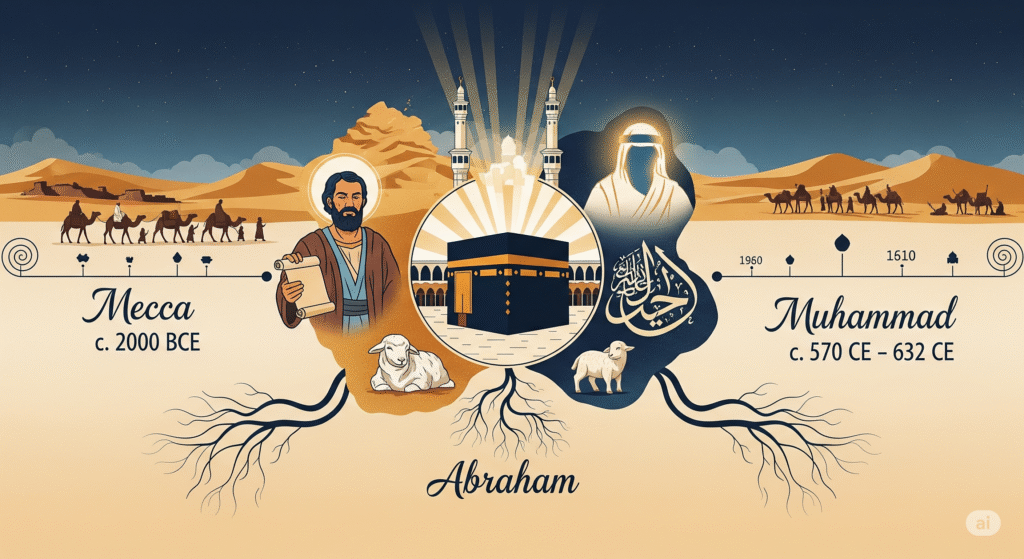
Islam claims that Mecca is an ancient city where Abraham built the Kaaba and Muhammad was his descendant. This claim forms the foundation of Islam’s connection with the Abrahamic tradition. Let us examine it in the light of history, geography, and archaeological evidence.
Historical Facts
Absence in ancient texts:
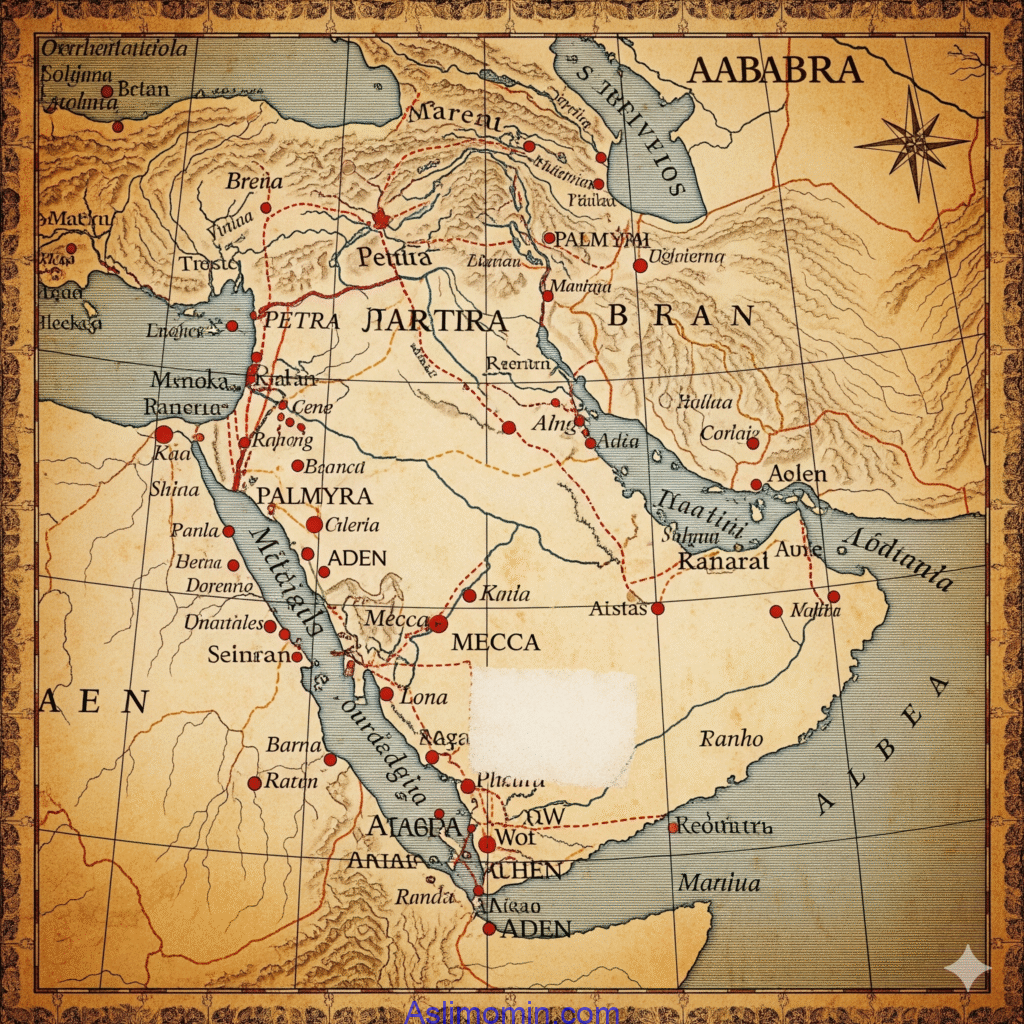
Greek–Roman geographer Ptolemy (2nd century CE) described numerous towns of Arabia, but there is no mention of Mecca.
Scholars’ views:
According to Dan Gibson and Patricia Crone, there is no solid evidence for the existence of Mecca before the 7th century.
Lack of a trade center:
Mecca was neither on a sea route nor on any major trade route. By contrast, Petra (modern Jordan) was a religious and commercial hub before Islam, and the earliest Qibla was also oriented there.
Sources:
- Gibson, Dan. Qur’ānic Geography
- Crone, Patricia. Meccan Trade and the Rise of Islam
2. Abraham and Ishmael – Did They Have Any Connection to Arabia?
No mention of Mecca in the Bible:
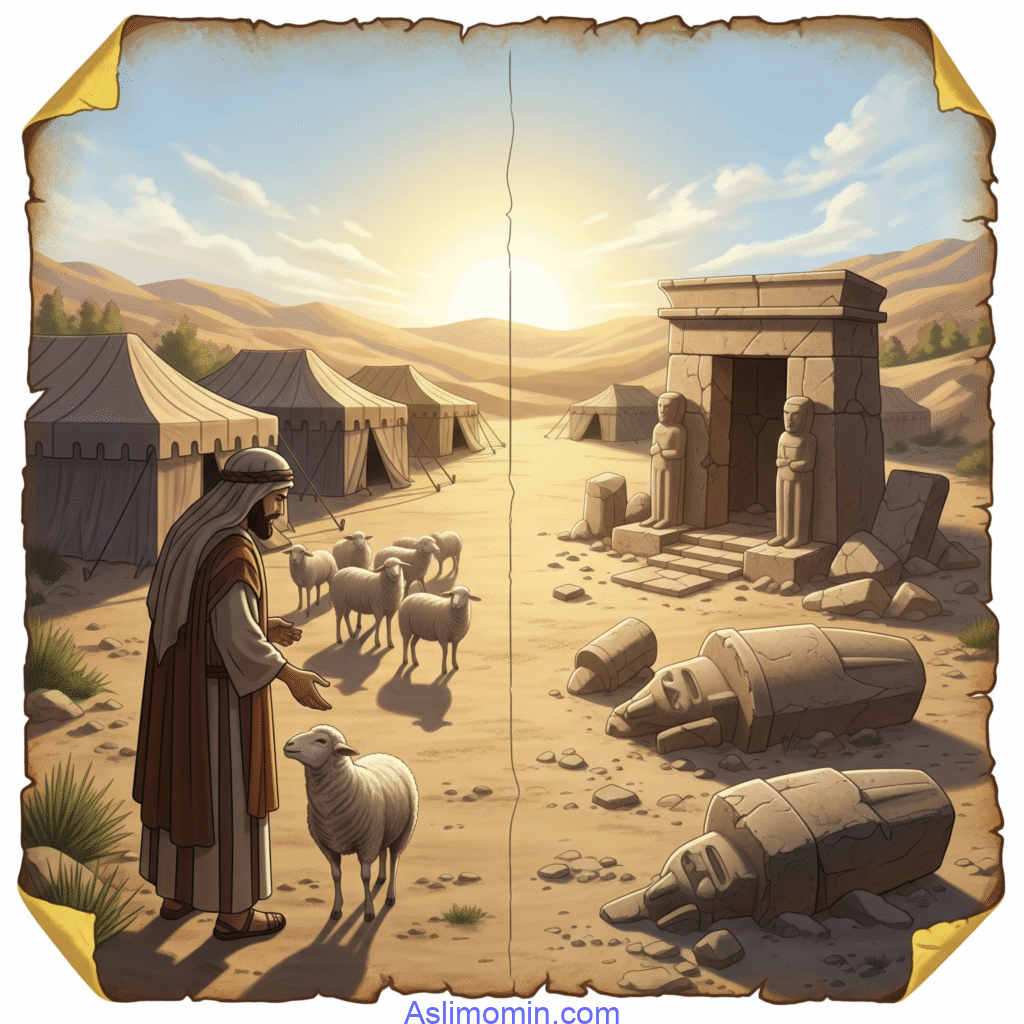
According to Genesis, Abraham was born in Ur and was a Hebrew. His region was Canaan (modern Israel/Palestine). There is no indication that he ever went to Mecca or Hijaz.
Ishmael’s descendants:
Genesis 25:18 states that Ishmael’s descendants lived from Shur to Havilah, but Mecca is never mentioned.
Islamic genealogy:
Ibn Ishaq and al-Tabari later wrote Muhammad’s genealogy tracing back 20–25 generations. Anything before the Adnanite Arabs is purely legendary. The Qahtanite Arabs, on the other hand, traced their lineage directly to Noah.
Sources:
- Ibn Ishaq, Sirat Rasul Allah
- al-Tabari, Tarikh al-Tabari
3. Muhammad’s Ancestors: Myth, Legend, and Tribal Strategy
3.1 Abdul Muttalib – The Patriarch Mistaken as a Slave
The real name of Abdul Muttalib was Shayba. His uncle Muttalib brought him from Yathrib (Medina) to Mecca. People mistook him as Muttalib’s slave, and thus he came to be called Abdul Muttalib (meaning “slave of Muttalib”).
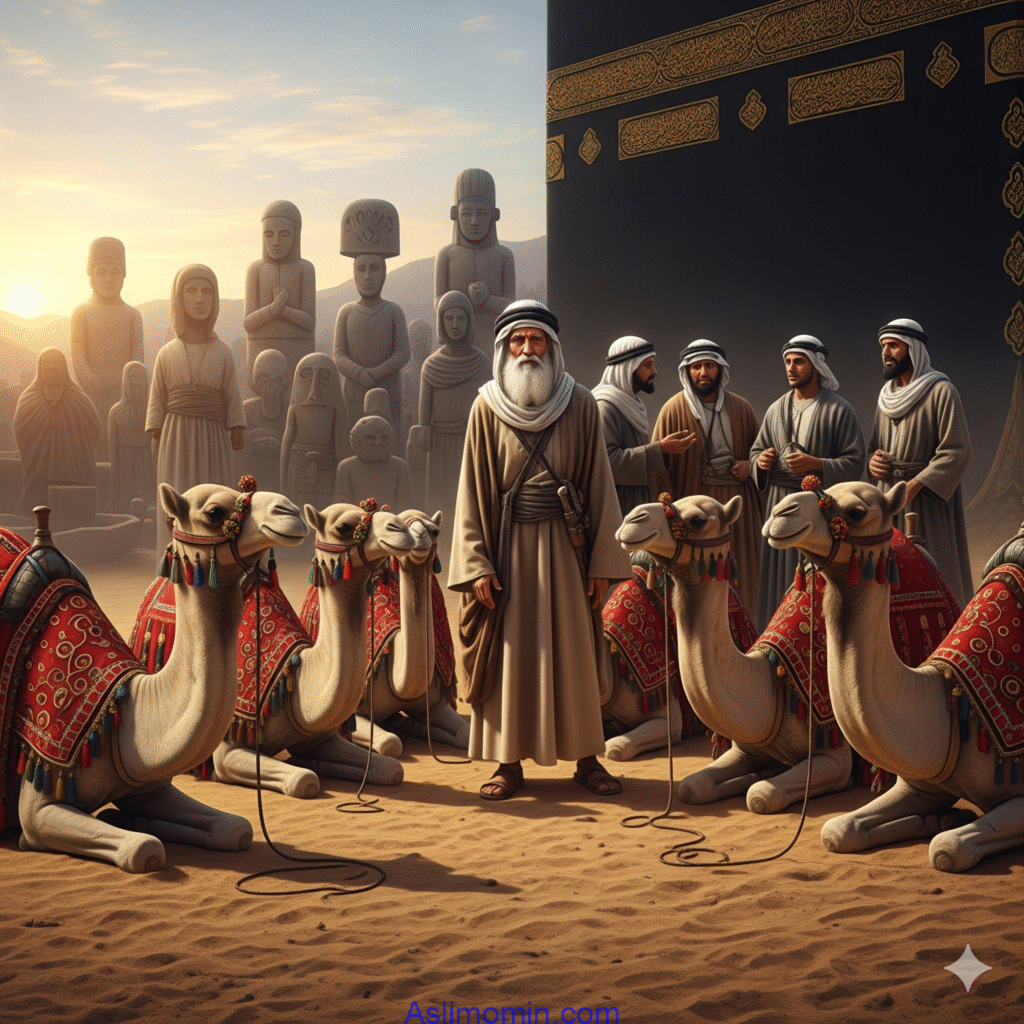
3.2 Pagan Practices – The Vow of Sacrifice
Abdul Muttalib vowed to sacrifice one of his ten sons if God granted them to him. When the lot fell on Abdullah, Muhammad’s father, he was spared by sacrificing camels instead. This incident clearly reflects his pagan beliefs.
Sources: Ibn Hisham, Ibn Sa’d
3.3 Marriage and Prophecy
According to folklore, a kahin (oracle) prophesied that a prophet would arise from this Quraysh lineage. Because of this, Abdul Muttalib arranged the marriage of his son Abdullah to Amina, and his own marriage to Halah, on the same day.
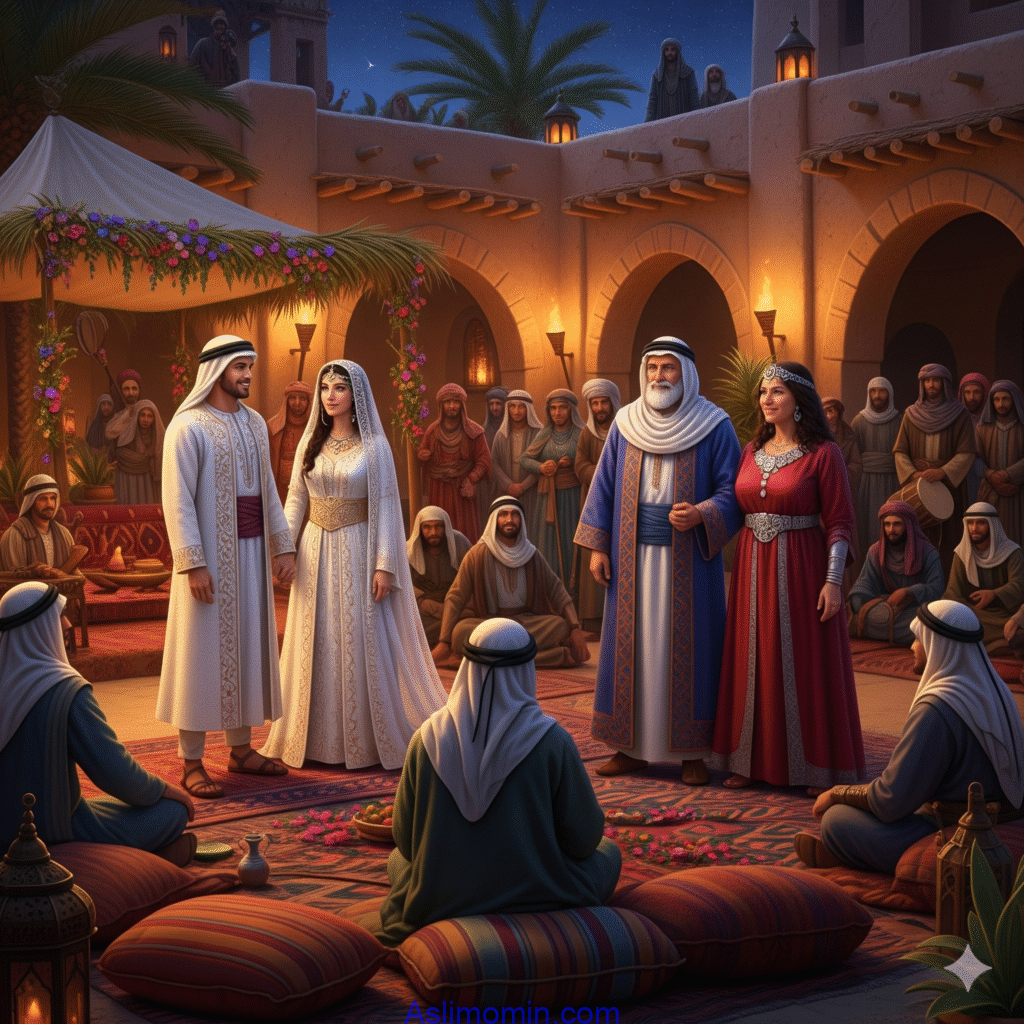
3.4 Age and Pregnancy Discrepancies
Despite both marriages happening on the same day, Abdul Muttalib’s son Hamza was older than Muhammad. This raises the question: did Amina’s pregnancy last unusually long?
Sources: Ibn Hisham, Tabaqat Ibn Sa’d
3.5 Quraysh Had No Link to Abraham
The Quraysh tribe was entirely polytheistic. The Kaaba contained 360 idols.
Their names were connected to deities — Abdul-Lat, Abdul-Uzza, Abd-Manaf.
Even Muhammad’s uncle Abu Lahab’s real name was Abdul Uzza (meaning slave of goddess Uzza).
Sources: Qur’an 53:19–20, Ibn Hisham, Ibn Sa’d
4. Qur’an and Idol Worship – Contradictory Religious Politics
4.1 Abraham – A Political Monotheist?
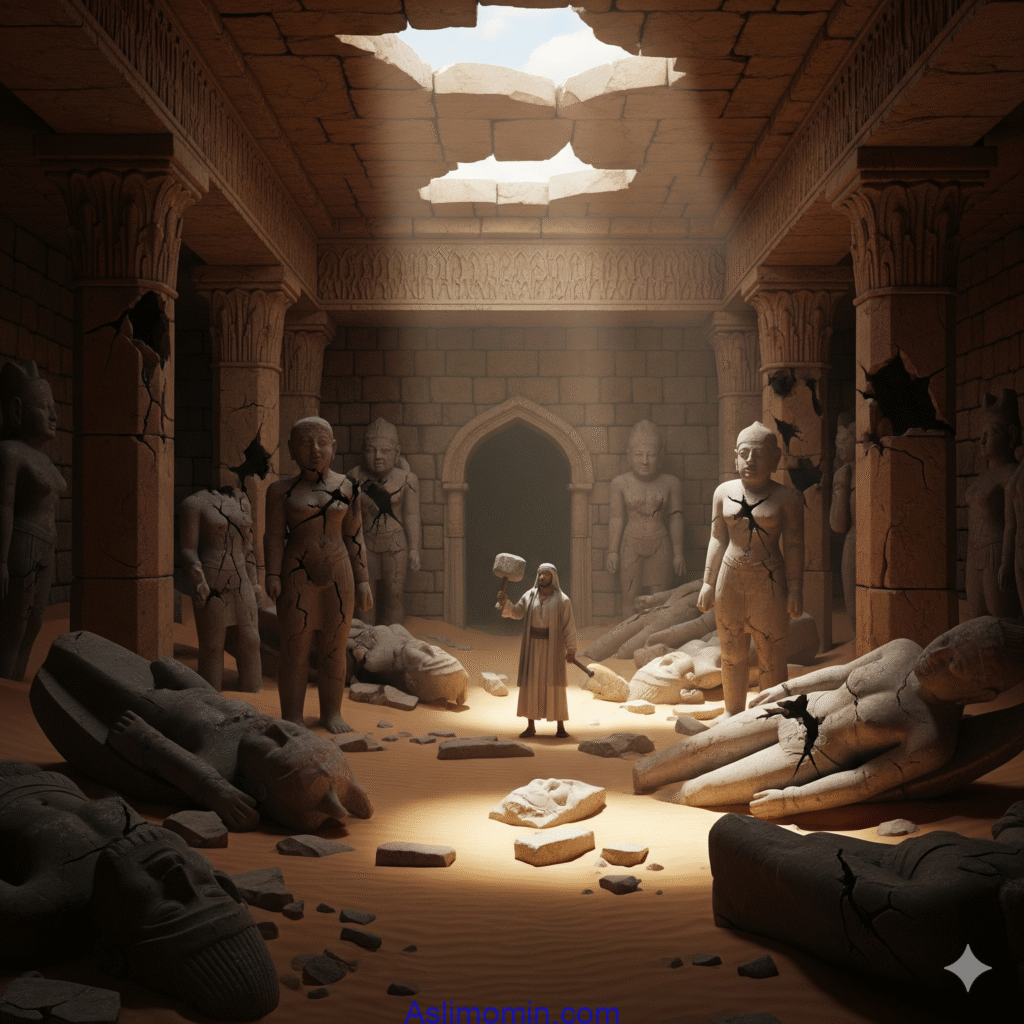
Qur’an (21:52–66) claims that Abraham destroyed idols. But in the Bible and Jewish tradition, there is no reference to Mecca.
The timeline of Nimrod and Abraham in Islamic texts also does not align.
- In the Bible, they are from almost the same generation.
- In Islamic tradition, they are separated by 4–5 generations, making the story of “being thrown into fire” historically implausible.
These inconsistencies likely arose from Islamic historians’ attempts to link Muhammad with Abraham’s legacy.
4.2 Noah’s Descendants and Idol Worship
Surah Nuh (71:23) mentions five deities — Wadd, Suwa, Yaghuth, Ya‘uq, Nasr — all pagan gods.
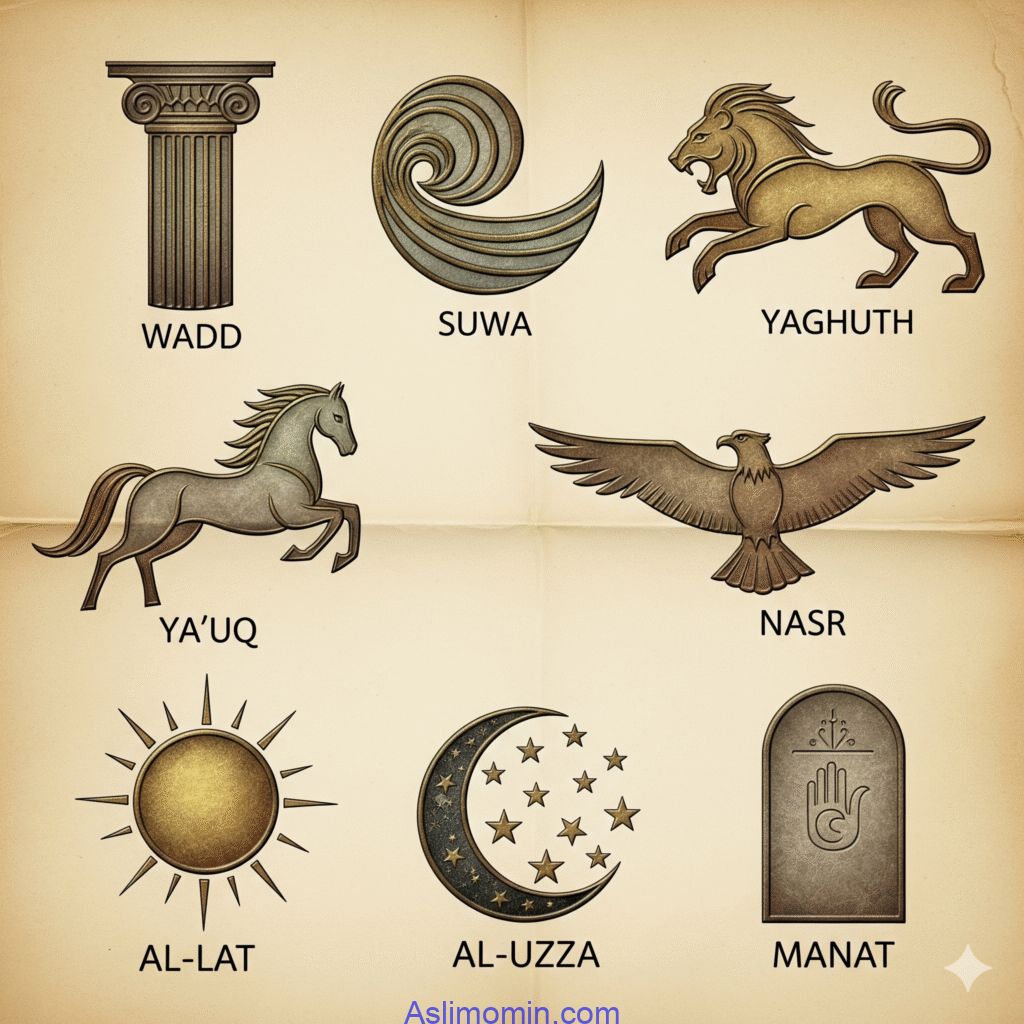
Similarly, Surah 53:19–20 mentions Lat, Uzza, and Manat, who were even temporarily acknowledged in the episode of the “Satanic Verses.”
Sources: Tabari, Ibn Sa’d
Dhul-Khalasa (Arabic: ذُو الْخَلَصَة ḏū al-Khalaṣa) was a pre-Islamic Arabian deity or temple associated with the worship of the Banu Daws tribe. This cult is mentioned only in Islamic sources, particularly in the Hadith collections and Hisham ibn al-Kalbi’s Kitab al-Asnam (Book of Idols).
Some sources describe Dhul-Khalasa directly as the name of a deity, while others suggest that the actual god’s name was al-Khalasa, and that Dhul-Khalasa referred to the sanctuary or temple linked to that idol/image.
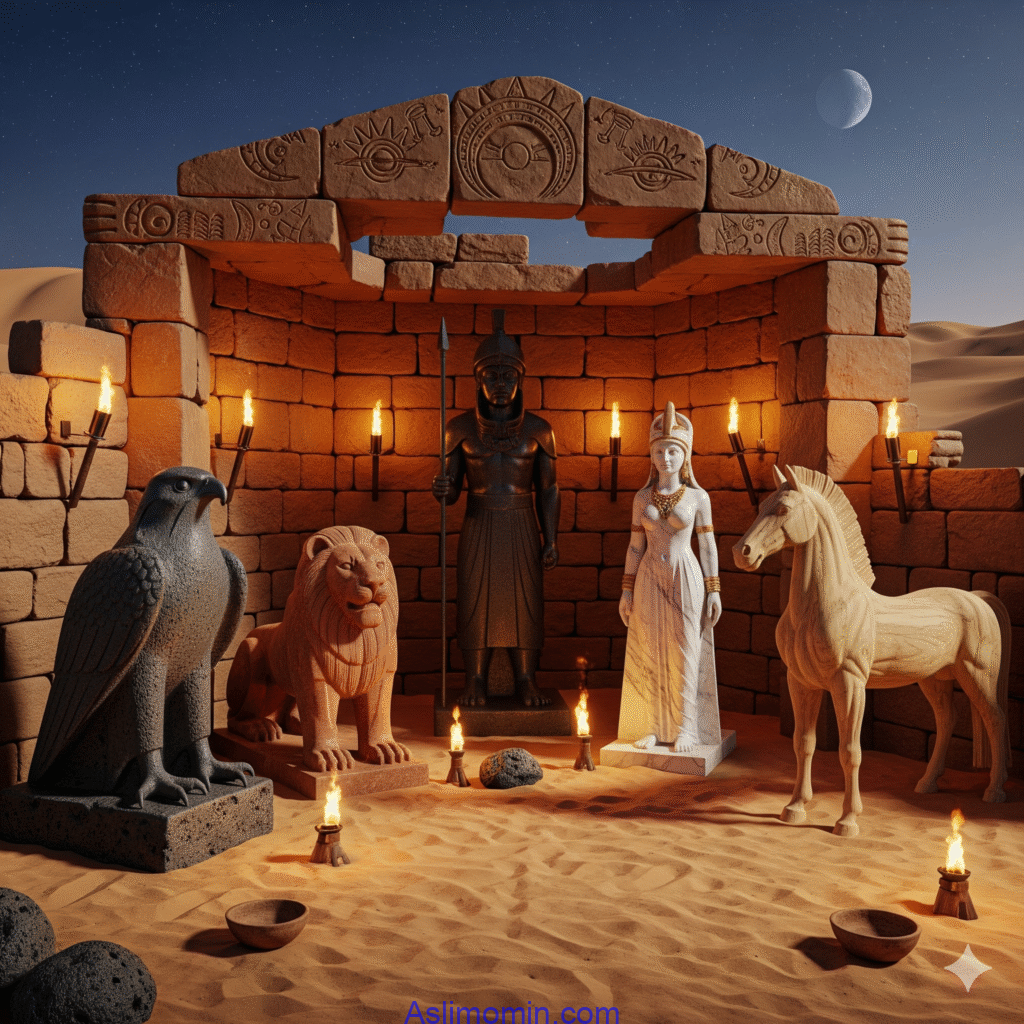
Conclusion:
Idol worship in Mecca was an independent tribal tradition. Abraham’s image as a monotheist belongs only to the Qur’an and later Islamic exegesis.
5. Final Conclusion
| Claim | Historical Fact |
|---|---|
| Mecca was an ancient Abrahamic city | Not mentioned in ancient texts or maps |
| Muhammad descended from Abraham | No solid historical genealogy |
| Quraysh were monotheists | Entirely polytheistic |
| Abraham abolished idol worship | Mentioned only in the Qur’an, not elsewhere |
| Naming traditions | Linked to deities — Abdul-Lat, Abdul-Uzza, Abd-Manaf |
Next Article
We will uncover the hidden truth of Mecca in the context of history and migrations from Syria and Yemen.
📢 Did you find this article useful?
🙏 Support our work by clicking here.